
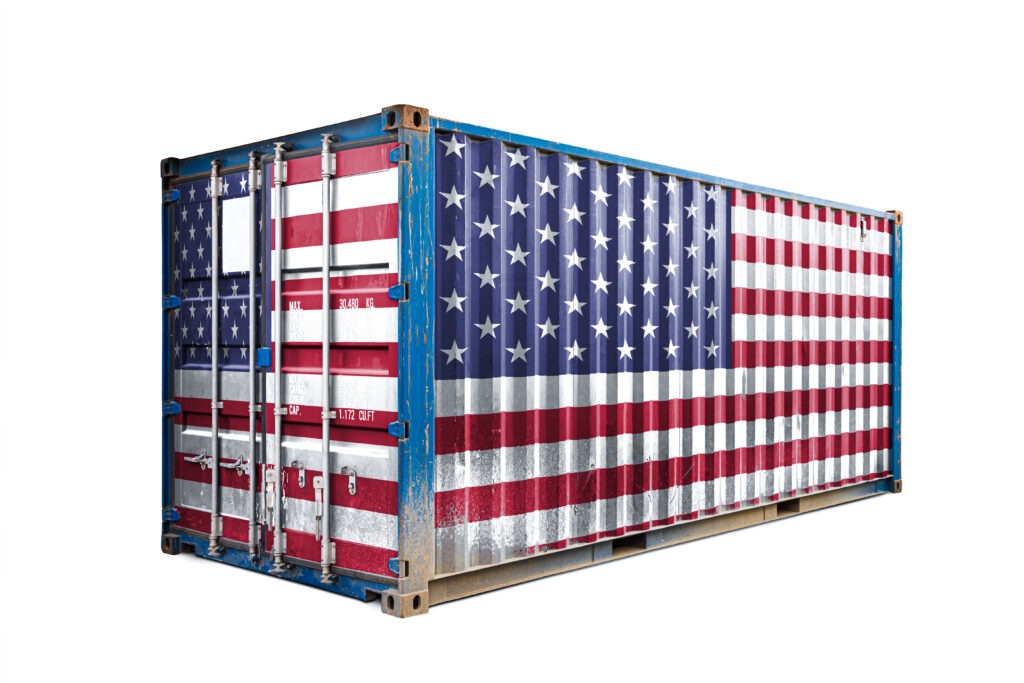
The field of international shipping matters a lot for global trade and economic growth. However, changing trade rules, like the ones during the Trump administration, pushed businesses to find better solutions. Dubai has become an important transit hub because of its strategic location and friendly business rules. By improving supply chains with cost-saving methods, companies can face changing trade issues better. This blog will give you key tips on how to manage transshipments from Dubai to the USA. The goal is to maximize benefits and ensure compliance.
Transshipment is an important step in international shipping. It allows goods to move between ships or different types of transport before reaching their final stop. This method is different from direct shipment because it sends cargo through extra ports or hubs. This makes logistics simpler and helps products arrive faster.
Dubai is a great place for transshipment. It is near important markets and has strong infrastructure and tax-free trade zones. Using Dubai for transshipment can lower tariffs and help businesses make their supply chain better. This approach works well for handling large amounts of cargo and linking faraway markets through smart regional grouping.
Many industries, from textiles to electronics, take advantage of Dubai's benefits for transit. By using transshipment, companies can keep their cargo moving easily, avoid shipping delays, and stay strong in global trade. Next, we will look more closely at how this process affects global trade.
Tariffs play a significant role in shaping international trade dynamics, impacting how businesses approach global logistics and transshipment strategies. Imposing these duties can increase the overall cost of goods, making it essential for exporters and importers to be savvy in their operations. Companies transshipping goods from Dubai to the USA must account for these tariffs when pricing their products and determining their routes. Banks may also be involved in the case of large trades with Letter of credit and other bank facilities. One effective mitigation strategy is to leverage free trade agreements and zones, like those in Dubai, that can offer reduced or eliminated tariffs on qualifying goods. Additionally, forming strategic partnerships with logistics providers can enhance customs compliance, ensuring documentation is accurate and timely, which can further lessen the impact of tariffs. By embracing a proactive stance and adapting to tariff changes, businesses can navigate international trade more effectively and maintain a competitive edge in the marketplace.
Transshipment means breaking a shipment’s journey into different stages. It uses a main port or hub to move cargo. This step-by-step process helps improve the global trading system by making supply chains more flexible. It allows cargo to be quickly moved, stored for a time, or sent in several parts to different places.
In international trade, transshipment is very important. Businesses use it to group shipments from different areas. This leads to better shipping and shorter delivery times. For example, large containers from Asia can go through Dubai to be efficiently sent to Europe and the USA.
Also, transshipment supports global trade by helping businesses deal with rules, taxes, and market needs. In our connected economy, this approach is key for keeping a competitive edge and driving economic growth.
Direct shipping and transshipment are two different ways to handle logistics needs. Direct shipping means moving goods straight from their starting point to the end point. This method is faster but can be more expensive. On the other hand, transshipment offers flexibility. It allows for cargo transfers at important locations. Many businesses pick transshipment because it can be cheaper.
Logistics solutions for transshipment focus on combining shipments and finding the best routes. Direct shipping, however, uses one clear path without stops. Transshipment also helps businesses avoid trade issues by using locations in between wisely.
Additionally, the transport options in transshipment can involve moving shipments by sea, air, or a mix of both. This offers businesses room for growth. In contrast, direct shipping is all about being efficient, which may limit how those items are handled. The choice between these methods usually depends on costs, speed of delivery, and rules that need to be followed. Now, let’s look at why Dubai is a leading transshipment hub in the world.
Dubai is a great place for shipping and global trade. Its location connects Europe, Asia, and Africa. This means delivery times are shorter and shipping costs are lower. The emirate has top-notch infrastructure. Jebel Ali Port and Dubai International Airport help move goods easily.
Furthermore, Dubai has free trade zones. These zones let businesses take advantage of tax-free transit. They also provide efficient handling and customs-friendly processes. This helps companies lower their costs and grow their trade around the world.
Dubai’s strategic location in the Middle East makes it an important stop on global trade routes. It sits at the meeting point of Europe, Asia, and Africa, which allows quick access to important markets in these areas. Being close to key places for production and consumption helps create a good supply chain.
This position also reduces transit times and shipping costs. For example, goods from Asia can travel to Europe through Dubai, saving a lot of time compared to other shipping routes. Many businesses use Dubai to store and combine products before sending them to their final stops, which improves their operations.
With strong connections, including regular air freight and sea freight services, Dubai makes moving cargo easy. This link to important trade routes is crucial for businesses that want scalable and cost-effective options in international trade.
Dubai has outstanding infrastructure, featuring two main facilities: Jebel Ali Port and Dubai International Airport. Jebel Ali Port has advanced systems for logistics and can handle lots of containers. It is known worldwide for connecting trade across Asia, Africa, and Europe.
At the same time, Dubai International Airport is a leader in air freight and logistics. It provides great connections for timely cargo movement. Its freight capacity helps quick transfers and less waiting time for international shipments.
The easy combination of sea and air freight logistics allows Dubai to offer better transport options. These top-notch facilities make Dubai not just a regional player, but a major global transshipment hub. It handles different types of cargo efficiently, whether by sea, air, or both.
Navigating the complex rules for goods being shipped between the UAE and the USA requires careful planning. Businesses need to follow specific customs rules in each country. This includes important documents like the bill of lading and import/export permits.
Filing these documents accurately helps ensure smooth transit of goods and avoids unnecessary delays. Using Dubai’s skilled customs brokerage services helps businesses deal with these rules easily. Since Dubai is a major transit hub, companies can manage complex regulations while keeping operations running efficiently. Let’s take a closer look at these regulations now.
Dubai's transshipment facilities offer a wide range of services designed to streamline logistics and enhance the efficiency of global trade. One of the key advantages is the availability of integrated logistics services that cater to various shipping needs, from warehousing and packing to customs clearance and freight forwarding. Jebel Ali Port, for instance, boasts state-of-the-art container terminals equipped with advanced handling technology, which ensures rapid turnaround times for vessels and minimizes delays in the supply chain. Additionally, the emirate's air freight services, known for their speed and reliability, enable businesses to quickly transport high-value goods to their destinations, making it an ideal choice for time-sensitive shipments. Beyond just logistics, businesses benefit from dedicated customer support and consultancy services, helping them navigate the complexities of international shipping regulations. This combination of efficiency, technology, and expert guidance positions Dubai as a leader in transshipment services, empowering companies to maximize their operational effectiveness and thrive in the global market.
Transshipment operations, while beneficial, come with their own set of challenges that can disrupt the flow of goods between Dubai and the USA. One of the primary issues is the potential for logistical delays. These can arise due to congested ports, inefficient cargo handling, or unexpected weather conditions, which can affect timely deliveries. Additionally, managing complex regulatory requirements across different jurisdictions can be daunting. Companies must ensure compliance with customs regulations to prevent costly penalties or shipment delays. Communication barriers can also lead to misunderstandings in logistics operations, especially when dealing with multiple stakeholders across various regions. To effectively manage these challenges, businesses should invest in robust logistics management systems that monitor shipments in real-time, facilitating immediate decision-making. Building strong relationships with local customs brokers and freight forwarders can also provide valuable insights into regulatory changes, ensuring smoother transshipment processes. By anticipating these challenges and creating risk mitigation strategies, companies can improve the efficiency and reliability of their transshipment operations from Dubai to the USA.
The role of technology in enhancing transshipment efficiency cannot be overstated. In today’s fast-paced logistics landscape, innovative technological solutions are transforming how goods are handled and transported. Automation plays a key role in streamlining processes at ports and airports, reducing manual errors, and improving turnaround times. For instance, advanced tracking systems allow businesses to monitor shipments in real-time, enabling prompt decision-making and proactive management of potential disruptions. Furthermore, data analytics harness critical insights from shipping operations, helping companies optimize routes and reduce costs. The integration of artificial intelligence and machine learning means that predictive maintenance of equipment can be managed more effectively, ensuring minimal downtime. Additionally, digital platforms facilitate seamless communication between stakeholders, ensuring everyone is aligned and informed, thereby enhancing collaboration and efficiency. Embracing these technological advancements not only boosts operational effectiveness but also positions businesses competitively in the global market.
Making sure customs clearance goes smoothly relies on following the customs rules in both the United Arab Emirates and the United States. Dubai is known for its easy import and export procedures. It uses efficient systems to speed up document checks and move cargo quickly. It requires accuracy in key documents like commercial invoices and the bill of lading.
In the USA, customs clearance is about figuring out duties and following rules like the Customs-Trade Partnership Against Terrorism (C-TPAT). Businesses need to be open about their processes to speed up shipments.
Both places focus on correctly classifying goods and understanding import and export duties. By sticking to these rules, businesses can avoid penalties, minimize delays, and gain trust with customs authorities. Now, let’s look at the important documents needed.
For efficient cargo transit, maintaining precise documentation is non-negotiable. Here’s a breakdown of key documents needed for transshipments:
|
Document |
Purpose |
|---|---|
|
Bill of Lading |
Acts as the shipment’s proof of ownership and transport details. |
|
Commercial Invoice |
Covers product descriptions, values, and invoiced amounts. |
|
Packing List |
Comprehensively lists items to ensure cargo accuracy during transit. |
|
Import/Export Permits |
Governs legal clearance criteria for entering or exiting specific markets. |
|
Certificate of Origin |
Confirms the goods’ manufacturing origin for tariff purposes. |
Ensuring this documentation is accurate expedites customs processes, preventing potential delays while instilling confidence among customs authorities in both the UAE and USA.
(Continued with other sections as outlined...)
Finding affordable ways to ship goods to the USA can really help exporters. Good logistics planning makes operations smoother and cuts down on high shipping costs. Using Dubai's strategic location and its free trade zones can help shippers reduce customs clearance fees. Also, picking the right mode of transport—either air freight or sea freight—can lower overall costs. Tracking shipments with dependable logistics solutions keeps the movement of cargo clear and efficient, which helps boost economic growth.
Careful planning for logistics is very important to keep costs down during shipping. By making the supply chain better and choosing the right way to transport goods, like sea freight or air freight, shippers can lower shipping costs a lot. Using tracking systems and good ways to communicate, like email updates, helps clear customs on time. This stops delays and extra fees. Working with local logistics solutions in Dubai helps exporters deal with important issues with customs authorities quickly. This can lead to even more savings.
Understanding the benefits of free trade zones in Dubai can help make transshipments more cost-effective. These zones are important spots that draw international shipping and logistics companies, which helps lower shipping costs. By using faster customs clearance and not paying some tariffs, exporters can improve their supply chain. A prime example is Jebel Ali, which helps shippers by providing many transport options. This makes the movement of cargo to the United States easier and more effective.
Navigating international trade can be complex. It requires knowing smart ways to move goods. Using key locations, like Dubai's free trade zones, helps shippers save money on shipping costs. Careful planning and looking at different transport options can make the movement of cargo much smoother. By understanding customs clearance and various shipping options, exporters can become important players in a growing market. This helps build future trade relations and boosts economic growth.
Transshipment from Dubai to the USA usually takes about 10 to 20 days. This time can change based on different factors like shipping routes, traffic at the ports, and customs clearance. Good logistics planning can make this process smoother and help ensure timely deliveries.
The most common items sent from Dubai to the USA are electronics, textiles, machinery, and luxury goods. These products take advantage of Dubai's strategic location and its good logistics networks. This makes them popular in international trade.
Dubai, United Arab Emirates
https://interlinkgulf.com/
Email: info@interlinkgulf.com
Call: +971557910800