Future Outlook on Customs Clearance of AI Robots and Machinery
AI ROBOTS AND MACHINERY CUSTOMS CLEARANCE IN DUBAI
Key Highlights
- Artificial intelligence is playing a growing role in streamlining customs clearance processes worldwide, transforming operations through predictive analytics and automation.
- Dubai’s regulatory frameworks for AI-powered machinery are adapting to modern advancements in international trade.
- Data security and privacy remain pivotal challenges alongside issues in technical classification of AI robots and equipment.
- Predictive analytics and blockchain integration are promising solutions for enhanced operational efficiency in border operations.
- The logistics industry and supply chain management are being redefined, paving the way for faster and error-free customs clearance systems.
- IoT integration in customs procedures is forecasted to amplify precision and connectivity across global borders.
Introduction
Artificial intelligence is changing the way people work in many industries. This includes the area of international trade and customs clearance. The use of artificial intelligence is making work faster and helping people avoid human error. Because of this, jobs are getting done better and on time. Many governments and businesses now see how artificial intelligence can help change customs clearance. They use these systems to solve problems with rules and speed. By using artificial intelligence tools, predictive analytics, and things like the Internet of Things (IoT), customs clearance is now better. These changes help meet the new needs of international trade and make sure everyone follows the rules.
Overview of AI Robots and Machinery in International Trade
The rise of artificial intelligence brings a new time in international trade. Now, we see robots and advanced machines in, ready to fix slowdowns in the supply chain and help with things that block the way. AI-driven machinery speeds up the work. It does smart sorting and helps with planning the best routes. This way, it cuts down on shipment delays and problems at work.
AI solutions help people make better choices within the supply chain. These tools let logistics companies guess how much demand there will be, and help them keep the right amount of stock. They bring changes to warehouse work, help customs clearance happen faster, and also take care of work before something goes wrong with machines by using predictive maintenance. Because of all this, global trade facilitation gets a strong help.
Defining AI Robots and Advanced Machinery
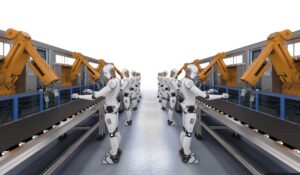
AI robots and advanced machinery are systems that use artificial intelligence and machine learning to do work people used to do by hand. You can see these systems in things like drones that move goods and robots that use machine vision to scan containers. These machines help with many tasks, such as demand forecasting and looking at the supply chain.
The real power of these machines comes from their AI models. These models help the machines use and understand big sets of data to find things people can act on. For example, neural networks help look at detailed pictures for customs operations. They scan cargo fast and spot anything that is unusual.
Machine learning helps these AI systems get better over time. The more historical data they learn from, the more they can adjust and work better with new changes. Whether it is goods classification or stopping illegal actions, AI robots and advanced machinery make it easier to get things done when moving lots of goods. Using these machines helps people save time and makes sure they follow all rules as goods cross borders around the world.
Growth of AI-Driven Imports and Exports
The integration of AI into imports and exports is changing international trade. It helps logistics companies be more agile in the way they work. With predictive analytics, businesses can better forecast demand. This lets them handle changes and meet supply chain needs across the world.
AI-driven imports and exports give supply chain visibility that is hard to get any other way. Machine learning looks at real-time tracking data. This makes sure logistics companies get one clear picture of all their operations. Being this open about the process helps people spot risks, manage inventory better, and improve delivery routes at every step.
New features, like generative AI, help organizations know what demand will look like in the future. This cuts down on mistakes in supply chain planning. When you reach this kind of accuracy, you lower the chance of being understocked, and you make better use of your resources. In the end, the integration of AI creates significant benefits for import and export jobs.
Current Customs Clearance Procedures in Dubai, UAE
Dubai is leading the way when it comes to changing how customs clearance works. The city puts focus on regulatory compliance and the use of advanced technology. At the heart of these changes is AI, which helps make the whole process work better and faster for everyone. Because of this, customs in Dubai take less time and run more smoothly.
These new customs operations now use AI-powered systems for checking documents and machine vision to look at shipments. There are also tools in place to support trade facilitation. This means Dubai Customs can run compliance checks and see real-time analysis. With these changes, the city sets the bar high for others. In fact, its customs clearance work stands out next to places like the United States and the United States Customs system.
Standard Documentation and Regulatory Requirements
Documentation is at the heart of customs clearance. It includes things like import declarations and certificates of origin. All of these papers need to meet the high standards set by regulatory compliance bodies. AI systems now make these customs clearance processes easier by pulling out data automatically.
Trade facilitation rules in many places now focus on smooth digital workflows. Tools that use NLP help businesses cut down on human error when reviewing documents. AI-powered tools also make it quicker to put documents in the right category and check if they follow the rules. They help lower risks that come from bad information or mistakes with entries.
Some important new technologies are filling the gap between trade facilitation and better operational efficiency. Different platforms are getting better by adding automated audits and web-based tools for regulatory compliance. This reduces paperwork slowdowns. It also helps keep every transaction more accurate.
Key Authorities and Their Roles in Customs Clearance
Many groups work together to help with customs clearance around the world. Agencies like Dubai Customs and United States Customs use AI to spot risks and make the customs clearance process faster and easier. These authorities join hands to blend trade facilitation with border protection. When they do this together, they help to bring new ideas and ways of working.
The World Customs Organization sets the rules for using customs AI. These rules help customs in different countries be more accurate and fair. By using these guidelines, countries can work in a way that fits well with each other when using new capabilities across borders.
| Authority | Function |
|---|---|
| Dubai Customs | Works on customs automation, machine learning, and predictive analytics to boost local compliance. |
| United States Customs | Uses AI-based cargo risk assessment and natural language processing tools to make trade go smoothly. |
| World Customs Organization | Builds frameworks like SMART border plans to bring customs systems up to date. |
Challenges in Importing and Exporting AI Robots
The use of AI robots in international trade comes with many challenges. Governments have a hard time putting AI robots into the right technical group. They do not know what HS code to use for them. This makes it slow when it is time to import or export.
There are also growing worries about data privacy. AI systems often have important details about how things work. This can make it easier for hackers to cause security threats.
It is important to have new ways to help with risk management. We need these ideas to follow the rules and protect us as new AI technologies keep getting better in international trade.
Technical Complexity and Classification Issues
It can be tough to sort out where AI robots fit in, especially since they have many features. People who work in international trade often find it hard to put this AI-driven equipment in the right HS code group. This can cause problems with trade compliance.
Machine vision is a new technology that is used in AI robots, and it makes classifying robots even harder. This tool helps robots process images and make choices on their own. There needs to be new systems for this, both to deal with possible security threats and to keep things running smooth when shipping things.
Making sure there is an international standard for HS code classification helps keep things the same everywhere. If trade authorities look at what AI can do, they can speed up how they move goods between countries and avoid any human error when putting things in the right group during the process. This can help make international trade run well for everyone.
Concerns Around Data Security and Privacy
AI systems that handle sensitive data are now under more watch. This is because of worries around data privacy and cyber threats. Tools like autonomous vehicles or cargo screening robots deal with lots of different kinds of data. This kind of data can be open to cyber-attacks if the right protection is not in place.
Risk assessment is key for these systems. Using strong AI security rules helps keep out threats and protect the data in the system. Governments check these systems often to find any problems as soon as possible. These audits help stop data breaks and keep companies in line with the rules. They also urge companies to use AI that can handle tough times and bounce back from problems.
To stay safe, companies turn to custom algorithms and safe ways to scramble their data. These steps help lower the risks and give more safety from hackers. This helps make AI better in places like customs clearance, letting people use smarter tools and keeping safe at the same time.
Role of Artificial Intelligence in Modernizing Customs Clearance
Using artificial intelligence in customs clearance, like machine learning, changes the way things work. These tools help customs teams do their jobs faster and make document checks smoother. Artificial intelligence means there are real-time risk checks on cargo. This helps lower the risk of human error and makes it easy to give the right job to the right place at the right time through better resource allocation.
Also, with computer vision, customs operations can scan and check goods better. This makes sure everything follows the rules and helps with regulatory compliance. AI applications like these improve trade facilitation. They also boost how well supply chain management works. All of this helps make supply chain processes easier and more effective around the world.
Automated Document Processing and Verification
Efficient customs operations depend on using smart tools for handling and checking documents. With artificial intelligence and machine learning, these tools can quickly look at and check many papers, such as trade declarations and invoices. This helps speed up the customs clearance process and makes it more correct, which means there is less human error. Machine vision lets logistics companies catch mistakes as they happen in real time, so they can stay in line with rules. Because of this, the work gets done faster and trade facilitation becomes smoother, which is very important in the world we live in now.
Smart Risk Assessment and Cargo Screening
Risk assessment and cargo screening have changed a lot with the help of artificial intelligence. By using machine learning, customs operations can look at historical data and find patterns. This makes risk management much better. It also helps customs find possible security threats easily and helps trade move faster.
AI-powered computer vision lets people inspect cargo in real time. This makes sure everything follows the rules and helps with good resource allocation. As more customs authorities start to use these new ways, their logistics operations become more accurate and efficient. The use of artificial intelligence, machine learning, and computer vision is making a big difference in how they handle regulatory compliance and keep trade safe.
Regulatory Adaptations for AI Robots and Machinery
Adapting how rules work is important as more AI robots and machinery are brought in from other places. The laws need to match with new technology, like when we use machine learning and computer vision. These tools help us face new things these products can do. Customs tariffs and how we classify products also must be updated to cover new capabilities and features that come with AI-related items. These changes help with trade compliance and make customs operations work better. This can lead to smoother and safer international trade. Taking care of these needs lets the logistics industry keep up with business requirements in a good way.
Evolving Legal Frameworks for AI Imports
Legislation about how we bring in AI technology is changing fast to keep up with new tech. These new rules help make trade compliance better and also make customs operations easier to work with. They focus on handling risk management and stopping security threats, too. Policymakers use historical data to learn more about the area, so regulations are always up to date with what AI applications can do.
The changes help make import processes smoother in the logistics industry. They also support national security by setting up clear rules for using AI in this field. This helps drive innovation and makes sure every company follows regulatory compliance.
Customs Tariffs and HS Code Classification Updates
Significant updates to customs tariffs and HS code classifications are important for international trade that keeps changing. As artificial intelligence gets better, there be a need for new rules to fit new types of AI robots and machines. Using historical data and predictive analytics can help in making these updates. This way, the tariffs can better match the real value and details of imports. When these things match up, trade compliance be easier, and supply chain management is smoother. Logistics companies can do their work better and control risk well in this changing market. This helps boost operational efficiency for everyone who is part of the supply chain and international trade.
Impact of AI on Customs Efficiency and Accuracy
The use of artificial intelligence in customs operations can help make things much faster and more correct. When customs teams use machine learning, they look at historical data. This helps them know about demand patterns and when and where to use their resources. With good resource allocation, the work gets done more quickly. At the same time, risk management improves because these new systems check everything well and help meet all regulatory compliance rules.
With computer vision and automated systems, there is also less human error. This lets customs workers spend time on the most important decision-making jobs instead. With these tools, you get better operational efficiency. Customs clearance becomes easier and quicker, which helps with trade facilitation as logistics gets more complex every year.
Reduced Processing Times Through Automation
The use of automation in customs clearance makes processing much faster. It makes use of natural language and machine learning tools to help improve the way things work. With document retrieval and checking done by computers, customs operations can make decisions more quickly, which leads to better operational efficiency. Machine vision can also speed up how cargo is inspected. This means things get checked faster to see if they follow trade rules.
When everything works quickly and smoothly, it helps stop delays and gives logistics companies better supply chain visibility. It helps goods move across borders more quickly. At the same time, it still checks that everything follows customs clearance and customs operations requirements. This way, the supply chain keeps moving, and companies get the good results they want.
Minimizing Human Error in Compliance Checks
Using advanced artificial intelligence can cut down on human error in customs compliance checks. When customs officials use machine learning and predictive analytics, they look at historical data in a better way. This helps them spot any problems more correctly. It helps to improve operational efficiency across the process. The work moves faster and risk management is stronger.
Also, systems with natural language processing can check documents quickly. This makes resource allocation better because people are able to use their time on other important jobs. In the end, trade compliance gets stronger. This helps to stop delays and increases supply chain visibility. It also helps the business to follow all rules and laws through the supply chain.
Case Studies: AI Robots and Machinery Clearance in Dubai
In Dubai, the use of AI technologies for customs clearance has given good results. Big tech importers use machine learning and look at real-time data to make things work better in their businesses. This move has made the time for customs processing go down a lot and it has made companies follow rules more. These real examples show why it is important to put AI capabilities into customs operations. This step helps trade facilitation and also makes everything run smoother. The challenges found in these projects show there is a real need for human oversight and ongoing training. This way, people can get the most out of AI applications in customs clearance and keep things working the right way.
Success Stories from Major Tech Importers
Significant benefits have come from the integration of AI in customs clearance by big tech importers. Companies that use machine learning and intelligent automation have seen much faster processing times. This has made their operational efficiency much better. For example, one top electronics maker used automated document processing. This made their compliance workflow simple and smooth. It cut down on human error and helped with better resource allocation.
Also, predictive analytics has been important for supply chain visibility. With this, these companies can see demand patterns and know about changes. It helps them adapt quickly to external factors that can affect trade compliance.
Lessons Learned from Customs Challenges
Dealing with customs challenges shows how important it is to be flexible in the logistics industry. Using machine learning in customs operations helps spot where old systems are not working well. This makes it possible to boost operational efficiency and improve risk management. Also, working with historical data lets customs teams see where problems might come up before they happen. This shows just how many significant benefits come from using predictive analytics. By using these ideas in their processes, customs operations make trade facilitation better. This helps AI robots and other machinery move through checks more easily and helps handle new rules and cybersecurity problems as they happen.
Forecasting the Future of AI-Powered Customs Operations
As technology keeps changing logistics operations, the future of AI-powered customs operations looks good. When blockchain and IoT are used with AI, there is better supply chain visibility, and now customs teams can do real-time risk assessment and improve border protection. Predictive analytics will help customs workers understand demand patterns. This will help them make customs clearance faster and better. If customs systems use historical data, they can also see external factors that shape trade compliance, which leads to better operational efficiency. All these new capabilities will help customs clearance work better and give international trade stakeholders more benefits.
Integration of Blockchain and IoT with AI at Borders
A mix of blockchain, IoT, and artificial intelligence is changing how customs operations work at borders. This new way helps boost supply chain visibility by giving real-time access to important data. It also makes trade compliance smoother. With machine learning, the system can look at historical data from IoT devices to use predictive analytics. This helps with better resource allocation and makes logistics operations run more smoothly. Automated tracking and keeping an eye on things help stop security threats. This also makes border management faster and more effective. Because of this, customs clearance processes now take less time.
Predictive Analytics for Import/Export Trends
Using predictive analytics helps people make better choices in import and export. It looks at historical data and finds new demand patterns. Machine learning lets logistics companies and others predict what might happen next. This helps with inventory management and better resource allocation.
With this kind of data, logistics companies can make smarter choices for route optimization. It also helps them follow international trade rules. When businesses use relevant information and watch the changes in the market, they can be ready for anything. This leads to better operational efficiency and gives a stronger competitive edge in global commerce, which is always changing.
Opportunities for Businesses and Investors
Unlocking the power of artificial intelligence in customs clearance brings new chances for businesses and investors. When logistics companies use AI-enabled customs solutions, they can help make their supply chains work better. This leads to more operational efficiency and faster processing times. Also, putting machine learning into trade facilitation makes risk management better. It gives logistics companies predictive analytics which helps them understand demand patterns. For people who want to invest, backing new AI applications in the logistics industry can be a good path. This is true because there is now more attention on regulatory compliance and safety in international trade.
Streamlining Supply Chains with AI-Enabled Customs
AI-enabled customs make supply chains work better and faster. They help logistics companies improve speed and accuracy. By using machine learning, these companies look at historical data and demand patterns. This lets them make real-time changes to resource allocation and inventory management.
When you add ai applications to logistics operations, companies can make customs clearance smoother. This cuts down on delays that come from human error or old legacy systems. This kind of technological innovation is good for border protection and trade facilitation. It also helps people at these companies make better decisions. With this, they follow the rules and manage risk in a better way.
Incentives for Adopting AI in Logistics and Clearance
Logistics companies can gain a lot by using artificial intelligence in their work. machine learning and predictive analytics can help boost operational efficiency. They let people make better choices about resource allocation, and they cut down on how long things take. By using automation in customs clearance, companies can lower the risk of human error. This also makes sure there is trade compliance, and it helps to plan better delivery routes.
Using artificial intelligence and other smart tools can also do a lot for supply chain visibility. These tools give real-time details about inventory levels and show demand patterns as they change. When businesses put money into these new solutions and use them, they become more strong in a changing international trade world. It also helps the trade to move more smoothly over borders.
Mitigating Risks and Ensuring Compliance
Using artificial intelligence helps with risk management and makes compliance stronger in customs operations. AI systems help look at historical data quickly. This lets logistics companies find compliance trends, so they can handle security threats early. When customs professionals learn more about AI applications, they improve human oversight and this cuts down on human error during checks. Automation in customs means better use of resources. This way, companies can keep up with trade compliance while managing risks well. As businesses use new technologies and the integration of AI, they see better operational efficiency. This also makes their compliance systems stronger.
Addressing Cybersecurity Threats in Customs Systems
Digital changes in customs systems have brought new risks, especially around cybersecurity. To keep important data safe, it is important to use strong security steps like machine learning. These algorithms watch for threats in real time. Using natural language processing can help manage user access, making sure only the right people see key information. Also, with predictive analytics, customs agencies can find out about possible security problems before they happen. This helps with better risk management. If customs operations put cybersecurity first, they can keep their work smooth and protect both national and international trade. This keeps everyone safe and keeps business moving.
Training and Up-skilling Customs Professionals
Investing in the training and up-skilling of customs professionals is important to make the best use of AI applications. When you add things like machine learning and natural language processing to learning programs, it helps these professionals understand how AI works in customs operations. Using advanced training methods, including simulations that come from predictive analytics and machine vision, helps them make better decisions. This can cut down on human error, making sure trade compliance and rules are followed without trouble. Giving customs staff the right tools and knowledge raises operational efficiency. It also helps them deal with the tough problems in modern logistics and international trade.
Conclusion
As the world of international trade changes, using artificial intelligence in customs clearance has a lot of potential to make things better. By using machine learning and looking at data in real time, customs operations can get better at risk management and make trade facilitation more secure. Moving to automated ways of working makes supply chain management smoother and helps cut down on human error. This also makes sure that rules are followed. Bringing in these new technologies meets today's business requirements and also gets everyone in the logistics industry ready for future challenges.
Frequently Asked Questions
What documentation is needed for importing AI robots into Dubai?
To bring AI robots into Dubai, you will need the right papers. These include a commercial invoice, a packing list, an import license, and product safety certificates. It is important to follow local rules. Make sure you get all the needed permits and approvals from the right authorities before you ship your goods.
How does AI help speed up customs clearance for advanced machinery?
AI helps make customs clearance for advanced machines much faster. It does this by handling documents, checking data, and finding risks on its own. This means people do not need to do as much work. There are fewer mistakes, and things move much quicker. All of this makes crossing borders easier and better for everyone.
Are there special tariffs applied to AI-driven equipment?
Yes, some countries have special tariffs on AI-driven equipment to help their own businesses. The amount of these tariffs may change a lot depending on what kind of technology it is and how companies plan to use it. This can affect how much it costs to bring in these products. Businesses need to keep up with the rules that are about their work, so they do not get hit with costs they did not expect.
What security measures are in place for data-sensitive AI imports?
Strong security steps for handling data-sensitive AI imports have to include encryption, access controls, and ongoing checks. The customs authorities work with tech providers to set up safe channels to send data. This helps them follow privacy rules and keeps all important information safe during the import process.
How can businesses prepare for future changes in customs regulations?
Businesses can get ready for future changes in customs rules by keeping up with new trends. They should invest in AI tools that help with following the rules. It is also good to work closely with people who set these rules. Being open to change in how you work can help a lot. Keep training your team all the time so that they know what to do. This will make sure your work stays smooth and you can get things done well.