
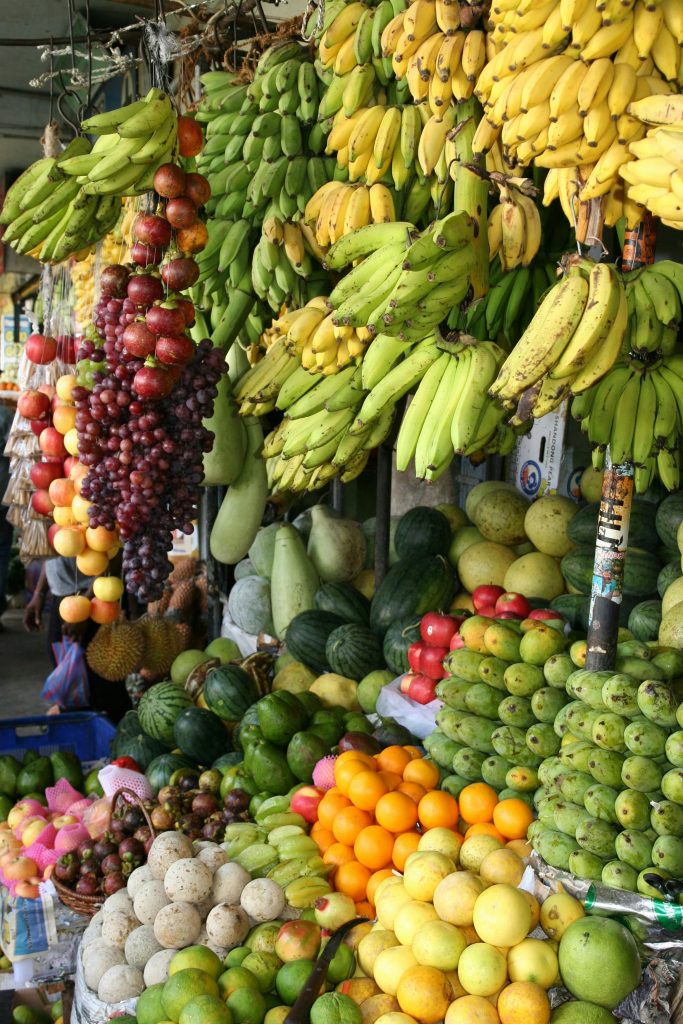
Dubai has strict rules for bringing in fresh vegetables. This helps keep food safe and of high quality.
Importers must register with Dubai Municipality. They also need to follow rules for labeling, packaging, and paperwork.
The clearance process has several steps. It includes checking documents before arrival and inspecting goods when they arrive.
Keeping quality control during distribution is very important. This helps maintain freshness and meet what consumers expect.
If rules are not followed, shipments may be rejected. So, it is important to understand the regulations and possible issues.
Dubai is a major center for trade and tourism, partly due to the advantages of the Jebel Ali Free Zone. It receives a lot of fresh vegetables, including those from Africa. However, importing these goods comes with complex rules. This helpful guide will give you the important information you need to manage the process. You will learn about Dubai's import rules and how to follow the rules after clearance.
Dubai has strict rules for bringing in fresh vegetables. This is to keep its residents healthy and safe. These rules follow international food safety standards, and the Dubai Municipality, along with the UAE government, makes sure they are followed closely.
Following these rules is very important for secure transactions. If someone does not follow them, their shipments can be delayed, rejected, or they could face legal issues. So, anyone who imports fresh vegetables must fully understand these HTTPS regulations.
The UAE has strict rules to keep imported fresh produce safe and high quality. If importing fresh produce for the first time, importers need a health certificate from the country of origin. This shows that the products meet the UAE's import regulations and do not have any pests or diseases. This certificate must be included with the shipment and given to Dubai Customs when it arrives. There is also a need for a certificate of origin to confirm where the goods come from and to follow trade agreements.
Also, all imported fresh produce must have labels in both English and Arabic. The labels should show important information like the product name, country of origin, production date, and expiration date. Following these rules is very important to avoid any delays or the rejection of items at the port of entry.
Dubai Municipality is the group in charge of making sure the food products are safe and good quality in the emirate. This authority is very important in controlling the import of fresh vegetables and other food items. They set food safety standards, check businesses, and give licenses and permits to those who work in food trade.
In addition, Dubai Municipality takes care of the Food Import and Re-Export System (FIRS). This system helps manage and track food products coming in and going out of Dubai. Importers need to register with FIRS and follow its rules, which include getting the right approvals and sending required documents.
Before starting the process of importing fresh vegetables to Dubai, good preparation is crucial. You need to collect all the required documents, sign up with the right authorities, and work with trusted logistics partners.
If you don’t prepare well, you could face expensive delays, refusals, or legal issues. So, careful planning before importing is a must for a smooth and successful process.
To import fresh vegetables and imported food items into Dubai, you need several important documents. First, you must have a new trade license from the Department of Economic Development (DED) in Dubai. This license allows your business to import goods and should be shown to Dubai Customs during clearance. Second, you need a bill of lading. This document is like a contract between the shipper and the carrier. It explains the details of the cargo and how it will be transported.
You will also need a certificate of origin. This document proves where the fresh vegetables come from and ensures that you meet any trade agreements between the UAE and the country you are importing from. The certificate of origin helps show that the imported goods are authentic, making customs clearance easier.
To import fresh vegetables, businesses must register with Dubai Municipality's E-Government portal. First, create an account on the Dubai Municipality website. Then, submit your application along with the necessary documents. This usually includes a copy of your company’s trade license, a filled-out application form, and any other important details.
After you register successfully, importers can access the Food Import and Re-Export System (FIRS). This is a digital platform that helps with the online submission of import applications, tracking shipments, and communication with Dubai Municipality, including PDF document uploads.
If you are new to importing fresh vegetables, it might seem overwhelming. But it can be easier if you break it down into simple steps. This guide will help you understand the crucial steps. You will get a clear path to successfully import vegetables.
The first step to bringing in fresh vegetables is finding a good supplier from Africa. It's very important to check carefully when choosing a supplier because the quality and safety of what you import will affect your business's reputation and how well you follow UAE rules.
You should do thorough research on possible suppliers. Look at things like their experience, certifications, product quality, and how well they follow international food safety standards. Asking for samples and visiting their production sites can help you see how they work and how much they care about quality.
Proper labeling and packaging are key to importing fresh vegetables into Dubai. All labels must be in English and Arabic. They need to show the product name, country of origin, production date, and expiration date.
The packaging has to be strong enough to protect the vegetables during transport and keep them fresh. Sometimes, you may need special containers that control temperature, depending on the type of vegetables. If the labeling is wrong or the packaging is not good, this can cause delays or rejections at customs. This shows why you should pay special attention to these details.
When fresh vegetable shipments arrive at Dubai International Airport in the United Arab Emirates, they must go through a careful clearance process managed by Dubai Customs. Knowing how this process works can help avoid delays and make the movement of goods easier.
Before the physical arrival of the fresh vegetable consignment at Dubai International Airport, a pre-arrival documentation review is undertaken by Dubai Customs. This critical step involves verifying the submitted import documents to ensure their accuracy and completeness.
The following table lists the typical documents required:
|
Document |
Description |
|---|---|
|
Bill of Lading |
Details of the shipment, including the shipper, consignee, and cargo. |
|
Commercial Invoice |
Description of the goods, quantity, and value. |
|
Packing List |
Detailed list of items within each package. |
|
Certificate of Origin |
Verification of the goods' origin. |
|
Phyto Certificate |
Confirmation of compliance with UAE food safety standards. |
When you arrive at Dubai Airport, https://clutch.co/profile/interlink-freight-agency-customs-broker officials will check your consignment. They will inspect the packaging and labels to make sure they follow the rules. They will also verify that the goods match the documents you provided. Sometimes, they might take samples for lab tests to check if they meet UAE food safety standards.
After the inspection, the consignment might need to go through quarantine procedures. This depends on the type of vegetables and the country they came from. The produce may be kept in a specific area for some time while more tests are done to make sure there are no pests or diseases.
Successfully passing through customs at Dubai Airport starts a new important step: handling the imported fresh vegetables. This helps keep their quality and meet UAE rules.
It is very important to have the right storage and transportation conditions to prevent spoilage or lower quality. Doing this well is key to protecting your investment and making sure your import venture is successful.
After the fresh vegetables are picked, it is very important to watch their condition and keep them fresh while they are being distributed. You need to follow the right storage and transport methods to stop them from spoiling. Keeping the right temperature is key to keeping the quality and shelf life of fresh produce.
Using refrigerated trucks and suitable packaging can help keep them cold. This stops spoilage and keeps the freshness during the trip to places like supermarkets, restaurants, or other sales locations.
Even with careful planning, sometimes shipments can get rejected because of rules in Dubai. There are common reasons for this, such as not having the right documents, making labeling mistakes, finding pests, or not meeting quality standards.
If a shipment is rejected, importers can appeal the decision and fix the issues. This can mean showing more documents, changing the labels, or treating the consignment to remove pests. It’s important to know why the shipment was rejected and to talk clearly with Dubai Customs. This way, you can find solutions and avoid delays or losing money.
In conclusion, bringing fresh vegetables into Dubai requires you to follow the rules set by the Dubai Municipality. You need to find good suppliers in Africa. Understanding how to label items and passing clearance at Dubai Airport is also very important. Each step helps you follow the rules and keep the quality high. It's key to watch the freshness while moving the goods and to fix any problems with compliance quickly. By following these steps and guidelines, you can make the import process easier and help supply fresh produce in Dubai well. If you have more questions or need help, contact the right authorities for guidance.
Yes, you can bring organic vegetables from Africa to Dubai. Make sure you have a proper organic certificate from a certification body that the Dubai Municipality or UAE Ministry of Climate Change and Environment recognizes. You also need a health certificate to show that the vegetables meet Dubai's organic standards.
Common reasons for rejection are pests, contraband items, labeling mistakes, excess pesticide, poor packaging, and differences between the shipment and its documents. Keeping accurate records and having strict quality control can help reduce the chances of rejection.
The clearance process at Dubai Airport usually takes 4-6 hours. This is true if all the paperwork is correct and the shipment meets the needed standards. Delays can happen because of unexpected issues or extra inspections.
Packaging needs to be clean and strong. It should keep the vegetables fresh. It's important to have clear labels. This includes the product name, barcode, expiration date, and country of origin.
If your consignment is held up, contact Dubai Customs or your customs broker right away. They can help you understand what to do next. Make sure to have all your documents on hand. This will help speed up the process.
Call: +971557910800
info@interlinkgulf.com