Customs Clearance of Fresh Chilled Meat in Dubai

Customs Broker Dubai
MEAT CLEARANCE IN DUBAI BY AIR CARGO

Key Highlights


Introduction

Importing fresh chilled meat products into Dubai can be a challenge. You need to deal with customs clearance and meet high food safety standards. Dubai is at the center of global trade, so it has strong rules. You also have to follow strict halal certification steps. If you are an importer or exporter, you should know the steps to bring meat into Dubai in line with the rules given by the Dubai Municipality. This blog will tell you everything, from where to get meat, to how to deal with delays. This will help make your work easy and stress-free. Want to know more? Keep reading!

Understanding Customs Clearance for Fresh Chilled Meat in Dubai

The process for customs clearance of fresh chilled meat products in Dubai comes with many checks and approvals. Importers have to follow the regulatory requirements given by the Dubai Municipality and some other main authorities. This is to make sure products are halal, clean, and within the right expiration date.

You start by getting the needed import permits. Then, at the port of entry, your meat products go through different inspections. Each step works to help protect public health. If you do everything right at these stages, your consignment can enter UAE markets faster and be ready for customers.

Overview of Dubai’s Meat Import Regulations

Dubai has strong regulatory requirements for importing meat to keep people safe and meet food safety standards. Companies that bring in meat need to do things the right way under both Islamic law and international rules.

Importers must get import permits and show proper halal certification. They also need to keep the meat at the right temperature all through the logistics process. These steps are a must for the UAE. It is important to buy meat only from approved suppliers. They need to make sure that all meat is safe to eat and meets the rules of Dubai and the UAE.

There are also special packaging and labeling requirements. You must show the production and expiration dates. Halal certification needs to be clear. The country of origin should be listed in both Arabic and English. These measures help keep product quality high and make people trust Dubai’s meat supply chain. Being careful in following these rules is a big part of fast customs clearance.

Key Authorities Involved in the Clearance Process

Many groups manage the customs clearance of fresh chilled meat in Dubai. They help make sure everyone follows all the regulatory requirements.

  1. Dubai Municipality: This group is important in the process. It gives import permits, checks shipments, and makes sure food safety rules are followed with help from its Food Safety Department.
  2. Ministry of Climate Change and Environment: The ministry, known as MOCCAE, also gives out permits. It does early checks to be sure all products meet the halal certification and quality rules.
  3. Customs Authorities and Ministry of Health: These offices look at goods at the port of entry. They check all the paperwork, do safety checks, and see that everyone is following safety regulations.

By working with the Dubai Municipality, Ministry of Climate Change, Customs Authorities, and Ministry of Health, importers find it easier to get approvals and pass inspections. This helps bring food that is safe into the UAE quickly. Meeting food safety and halal certification rules, and following all documentation steps, allows companies to clear goods faster and get them into the market.

Essential Pre-Import Preparations

Before you bring in new meat products, it is important to prepare well so you do not face delays.

First, you should sign up with Dubai Municipality’s Food Import & Re-Export System (FIRS). This will help make getting permits faster, and you will also get updates on rules you need to follow. You must get your meat from places that have halal certification. It is also necessary to pick a country of origin that is allowed.

It is good to work with logistics experts such as Interlink who know how to handle meat for you. They will make sure your meat stays cold during transport, following the UAE’s safety regulations. By doing all of this, you set up everything in the right way for easy customs checks and to follow Dubai’s food import laws that are strict.

These steps help the import of meat products, following all the rules about halal, safety regulations, Dubai Municipality needs, and making the process smoother in the UAE.

Registering with the Food Import & Re-Export System (FIRS)

Getting registered with the Food Import & Re-Export System (FIRS) is important for any business that wants to handle customs clearance for meat products in Dubai. The FIRS helps you follow the Dubai Municipality's food safety standards and regulatory requirements. You need to make sure you have all the right documents, like health certificates, and follow temperature control rules. This will help you avoid problems when bringing in food import and perishable goods. Using the FIRS also makes it easier to get the necessary permits and approvals, keeping your products safe and in good condition throughout the logistics process. This step is a good way to help meet all food safety and documentation rules during importation in Dubai.

Sourcing Approved Suppliers and Countries

Sourcing meat for Dubai means you need to pick partners who follow halal certification rules and the country of origin guidelines.

Approved suppliers often come from well-known places like Asia, Europe, or the United States. This lets traders get good meat products that match Dubai's regulatory requirements. Here is what you should watch out for:

If you check the supplier’s details well, you can stop problems and make sure all your meat moves smoothly through the port of entry.

Required Documentation for Meat Imports

Accurate documentation is key for successful meat importation into Dubai. Make sure you submit health certificates, commercial invoices, and certificates of origin for the first checks.

The importer also has to include proper packing lists and halal certification documents. This is needed to follow the rules set by the Dubai Municipality and other authorities. Check that all your paperwork matches the UAE’s regulatory requirements. If it does not, there could be delays or you may even get a rejection during inspections.

Taking an organized approach to gather all required documentation can help make customs clearance go much smoother.

Health Certificates and Veterinary Approvals

A valid health certificate is needed for the importation of meat into Dubai. This document proves that the meat meets the UAE’s food safety standards and helps protect public health.

Veterinary health certificates are given by the trusted authorities in the country where the meat comes from. These show the animals were slaughtered under Islamic law. A vet checked them within 12 hours before slaughter. The certificate also gives details on the freshness of the meat, the fact that it does not have any diseases, and the results of food safety tests.

All approvals must match Dubai Municipality's regulatory requirements. This match helps the meat get through inspection and makes customs clearance quicker and easier.

Commercial Invoices, Packing Lists, and Certificates of Origin

Clear and correct documentation is very important in the meat customs clearance process for Dubai.

The commercial invoice gives details of the business deal between the exporter and importer. It shows the value, weight, and where the meat comes from. Packing lists show itemised details about what is in the shipment. This helps people check the goods more quickly.

The certificate of origin is used as proof for the country of origin. This paper also shows if halal rules were followed. It matters a lot during checks by the Dubai Municipality. Importers should look at all these papers to be sure they are right. If there are mistakes or the paperwork is not complete, there can be big delays or even detentions.

Compliance with Safety and Quality Standards

Keeping to strict safety regulations helps look after the public health of people who buy and eat meat products. It also makes sure you follow UAE laws. Imported meat products need to meet regional food safety standards. This means you should control temperature, keep things clean with good hygiene, and use proper packaging.

Also, the shelf life and expiration dates must be easy to see on the meat products. This helps be certain that freshness and top quality are there when the products arrive. When you follow these rules, you protect your name and it is easier for your meat products to get through customs clearance.

Health and Safety Regulations for Fresh Meat

Dubai has set food safety regulations for imported meat to keep public health safe. These rules make sure all meat shipments arrive fresh. The meat must be kept at the right temperatures so there is no spoilage or contamination.

Importers of perishable goods in Dubai must keep everything clean when they handle or move the food. They need to follow strict customs steps so harmful germs do not get into the cargo. If good practices are not followed, there can be extra inspections, delays, or the meat might even be thrown away.

Dubai Municipality is very serious about food safety and hygiene. They work hard to make sure that only good quality products enter the UAE. This keeps both the food safety regulations and customers happy.

Labeling and Packaging Requirements

Proper labeling is important for smooth customs clearance when bringing meat to Dubai. Every label needs to show:

The packaging matters a lot, too. Materials used to pack perishable goods must be clean, safe, and light. If the products do not meet these rules, Dubai Municipality can reject them. This shows that strict regulatory adherence is a must. Following proper labeling and packaging rules keeps halal meat safe and fresh, and helps get customs clearance in Dubai without any trouble.

The Customs Clearance Process at Dubai Entry Points

Clearing chilled meat at Dubai’s entry points needs strict customs clearance. There are a few main steps. The first is to check all the documents and make sure everything is in order. People also do a physical inspection of the shipment. They look closely to be sure you are following Dubai Municipality rules.

Inspection of the shipment makes sure you have halal certification, proper labeling, and cold storage set up right. Working with expert customs brokers can help you meet every requirement and keep away any hold-ups. If you follow these steps for customs clearance with care, you can feel good knowing your meat shipment will get released fast. This helps you meet all the rules on halal certification, proper labeling, and adherence to Dubai Municipality guidelines.

Inspection Procedures by Dubai Municipality

When meat shipments get to Dubai, Dubai Municipality officials check them in detail. These checks cover the following:

  1. Documentation: All health certificates, commercial invoices, and certificates of origin need to be correct. Officials check these papers carefully.
  2. Physical Condition: The hygiene, temperature, and packaging of the shipment must follow UAE food safety standards.

If you do not follow these rules, your goods may be rejected or looked at more. Dubai Municipality always works to protect public health, so all importers must meet strict food safety criteria to get their shipments approved.

Sampling, Testing, and Approval Steps

Dubai needs testing to check that meat products follow safety rules.

Step

Description

Sampling

Meat samples are picked randomly from the shipment for checking.

Testing

The lab looks for microbes, checks halal, and sees how fresh the meat is.

Approval

Dubai Municipality allows the meat through if it meets all the rules.

These steps help make sure only good-quality meat products get into UAE markets. This builds trust for people who buy meat, and it also helps meet all the rules set by Dubai Municipality.

Common Challenges and How to Overcome Them

Importers in Dubai often deal with delays, non-compliance, and meat spoilage while handling customs clearance. Many times, missing papers and mistakes in the process cause a shipment to be held up.

To get around these problems, you need to work with knowledgeable customs brokers and know about the law in the UAE. If you send in documents on time and follow all regulatory requirements closely, your shipment will have a better chance to go through without any big problems. Handling issues quickly helps people avoid fines and keeps your consignment safe from spoilage. Sticking to what is needed is good for all involved.

Handling Delays or Detentions in Customs

Delays at ports of entry happen when the documentation is not complete, the labeling is wrong, or rules in the UAE are not followed.

If you take action early for possible customs clearance problems, you can avoid losing a lot of money. Stay on top of your shipment, documentation, and adherence to UAE rules for the best results.

Addressing Non-Compliance Issues

Not following Dubai’s food safety standards can lead to tough action. You could lose your goods, or they may get destroyed.

To avoid this, you should:

If you find problems, fix them and work with the UAE authorities. This can help importers protect their business from big fines and stop the destruction of goods. This way, your work can go on without trouble.

Best Practices for Efficient Clearance

Success in Dubai’s meat import trade comes from using the best practices. It is important to trust experienced customs brokers and keep all documentation accurate. You should make sure everyone in the supply chain talks with each other clearly. This helps avoid problems with shipping and deliveries.

You also need to check the quality of the meat each time. This action lowers the chance of the shipment being rejected. When you plan ahead, you save time and resources. Being ready and well-organized also helps build trust with the authorities in Dubai. This makes the whole import process much smoother.

Working with Experienced Customs Brokers

Working together with skilled customs brokers makes Dubai’s meat clearance process much easier. These brokers know the UAE’s regulations well and make sure all documentation is right. They help you stay on track by:

  1. Checking all the permits and approvals two times.
  2. Using the best solutions for cold chain logistics.
  3. Giving advice on how to avoid public health risks by sharing tips about proper handling.

This partnership helps your work move faster and smoother. You can cut down on mistakes that cost money, make sure your products are handled right, and get into the market safely. This is the best way to handle logistics in Dubai and make sure all steps fit the UAE’s rules.

Maintaining Accurate and Up-to-Date Records

Keeping clear records is very important when you want to follow the rules for importing meat. You need to have documents like commercial invoices, health certificates, and transport details.

Doing regular checks on these records helps stop mistakes, especially if there is an inspection. These records also show proof during customs, which may help get faster approval. If you keep good documentation, you show you can be trusted and you can avoid getting in trouble with regulations.

Conclusion

To sum up, handling customs clearance for fresh chilled meat in Dubai can look hard at first. But with the right information and some planning, you can make the process much easier. It’s important to know the import rules, have the right documentation, and follow all safety guidelines. This will help you stay within the law and stop any hold-ups. Also, working with skilled customs brokers can give you the help you need along the way. If you keep up with best practices and stay informed about new rules or changes in documentation, your imports can move much faster. If you need help or have questions about customs clearance in Dubai, feel free to ask. You are only a step away from making your work in this area much better.

Frequently Asked Questions

What documents are mandatory for importing fresh chilled meat into Dubai?

You need the right documentation to send goods to Dubai. This includes health certificates, commercial invoices, and certificates of origin. You also need packing lists and halal certification. Make sure all paperwork you give to Dubai Municipality is correct. This will help you avoid delays with clearance.

How can I ensure my meat shipment meets Dubai’s safety standards?

Make sure you keep food safe by always having the proper temperature control. You must follow good hygiene steps, and stick to the rules from Dubai Municipality’s Food Safety Department. In Dubai, it's important to check your documentation often and make sure all the details are correct.

Are there any restrictions on the countries from which meat can be imported?

Yes, you can only bring meat into the UAE from approved suppliers and countries. The meat must meet the UAE’s halal certification and rules. Some places cannot send meat to the UAE because of health or epidemic worries. This is to make sure all meat is safe and halal in the UAE.

What should I do if my shipment is detained by customs?

Fix problems fast by sending in any missing documentation and fixing mistakes. If you need help, talk to Dubai Municipality at the port of entry. Follow the steps they give you for inspection at the port of entry in Dubai. Doing this can help you get everything sorted out quickly.

How long does the customs clearance process typically take for fresh meat imports?

The time for customs clearance can change because of potential delays. For most shipments at the port of entry, it takes about 1 to 3 hours. This is to make sure all checks and permissions be in line with the rules.


Pineapple Import customs clearance at Jebel Ali Port, Dubai, UAE

Pineapple Import Customs Clearance At Jebel Ali Port, Dubai, Uae
%CUSTOMS CLEARANCE AGENT DUBAI% 3

Key Highlights

This guide gives you important information about bringing pineapples into Dubai using Jebel Ali Port. You will learn about the rules for importing, the papers you need, and how to manage logistics. We will discuss how to choose suppliers, agree on prices, and deal with customs clearance. You will also find effective strategies for selling your imported pineapples in Dubai's busy market. Find out how to solve common issues in importing and grow your business successfully in this fast-growing field.

Introduction

Jebel Ali Port is a major location for global trade. It is the main point for bringing pineapples into the busy market of Dubai. To import pineapples successfully, you need to know the rules and steps set by Dubai Municipality. This guide gives you a clear step-by-step look at how to import pineapples. It helps you understand what you need to do to make the process go smoothly and take advantage of this great opportunity.

Overview of Pineapple Import in Dubai

Dubai is an ideal place for importing pineapples. Its great location and strong economy attract both residents and tourists with different tastes. Jebel Ali Port is a key center for shipping, offering advanced facilities and strong logistics networks. This makes it a top choice for importers.

In the last few years, the demand for pineapples in Dubai has grown a lot. This growth is due to more people wanting fresh fruit, increased tourism, and the city’s image as a source of high-quality produce. This guide will help you understand how to import pineapples into Dubai with ease, so you can have a successful experience.

Rising Demand for Pineapples in Dubai's Market

The UAE market, especially in Dubai, has a strong demand for fresh produce, including pineapples. This demand comes from several reasons. More people are becoming aware of healthy eating, and pineapples are used in many dishes.

In Dubai, consumers want high-quality, fresh fruits. Pineapples are very popular because of their sweet and tangy taste. They can be used in juices, desserts, and main dishes, making them a favorite choice.

The high demand and Dubai's role as a central trade spot make it a great market for importing pineapples. It is important to know what consumers prefer and to adjust import plans to do well in this competitive market.

Jebel Ali Port: Gateway for Pineapple Imports

Jebel Ali Port is important for international trade. It has great connections and strong infrastructure. This helps pineapple importers enter the market easily. Its location gives quick access to major shipping routes. This means your goods can be transported without delay.

The port is known for its easy customs processes and modern facilities. This makes it a top choice for importers. They face fewer delays and can operate more effectively. These reasons make Jebel Ali Port a key entry point for businesses wanting to succeed in Dubai's active market.

With these advantages, Jebel Ali Port helps pineapple importers build a strong presence in Dubai. By using the port’s full range of services and facilities, businesses can make their import process smoother. They can also meet the growing demand for fresh produce in the city.

Understanding the Import Regulations in Dubai

Importing pineapples to Dubai, like in other places, means following certain rules. These rules help make sure that the quality and safety standards are met. They also help both importers and consumers have an easier process.

Not following these rules can cause delays, fines, or even have your shipment sent back. So, it is very important to know Dubai's import requirements well for successfully bringing in pineapples.

Necessary Licenses and Permits for Importing Pineapples

Before you import pineapples, you need to get the right licenses and permits from the Dubai Municipality. Getting these documents shows that you follow the regulatory requirements and helps with customs clearance.

One important document you will need is a Certificate of Origin. This certificate proves where your pineapples come from. It makes sure they are from approved countries and meet Dubai's quality standards.

You should also learn about any other permits you might need based on how many pineapples you plan to import and your business type. This will help you avoid delays or problems. Talking to a special import-export consultant can give you clear advice about the specific license requirements.

Food Safety and Quality Standards in Dubai

Dubai has strict food safety rules to protect public health. All incoming pineapples go through close inspections to meet these rules. These checks aim to find harmful pests, diseases, or too much pesticide, helping to keep consumers safe.

To meet these safety standards, it's important to have a strong quality control system in your supply chain. Work with trusted suppliers who care about cleanliness. Use effective pest control while growing the pineapples. Also, make sure to handle and store them right to keep them fresh.

By focusing on food safety and following quality standards, you can meet regulations and earn trust from consumers. This helps you build a good reputation for your imported pineapples in Dubai's selective market.

Step-by-Step Guide to Importing Pineapples at Jebel Ali Port

Importing pineapples at Jebel Ali Port may look hard, but it's easier if you follow some steps. First, work with a good freight forwarder. They will take care of the logistics. This includes transportation, customs brokerage, and paperwork.

When your shipment arrives at Jebel Ali, it goes into a special reefer container. This keeps the pineapples fresh. Next, the shipment goes through customs clearance. You need to have the right documents to avoid any delays.

Selecting Your Pineapple Supplier

Choosing the right supplier for pineapples is very important for your import success. Focus on suppliers that have a good history of providing high-quality products at competitive prices. Begin by looking into possible exporters from major pineapple-producing countries. Keep in mind factors like certifications, how much they can produce, and their adherence to good farming practices.

Networking is essential. Go to trade shows and meet industry people to find potential suppliers. Ask for samples to check the quality of their pineapples. Make sure they fit the tastes of your target market in Dubai.

Establishing a strong relationship with your chosen supplier is just as important. Good communication, openness, and understanding about quality needs and delivery times are key for a successful long-term partnership.

Negotiating Contracts and Pricing

A clear contract is very important for a successful import process. It should list the payment terms, delivery times, quality standards, and how to deal with possible issues. When talking about prices, think about shipping costs, import taxes, and market changes to make sure you can make a profit.

Also, consider currency exchange rates and possible changes to reduce financial risks. It's smart to have more than one supplier to protect against any surprise problems.

Keep in mind that good planning and clear communication with your supplier are necessary for a win-win agreement. This will help you get a steady supply of high-quality pineapples at competitive prices. This can make your business stronger in Dubai's market.

Pre-Shipment Inspections and Certifications

Before you ship your pineapples, it is important to have pre-shipment inspections. These checks are done by authorized agencies. They confirm the quality, quantity, and packaging of your shipment. This helps reduce the chances of not getting accepted upon arrival. These inspections also make sure that everything follows Dubai's import regulations.

Here are some important certifications you need to import pineapples:

Getting these certificates shows that you care about meeting regulations and providing quality. This ensures a smooth customs clearance at Jebel Ali Port.

Customs Clearance Process at Jebel Ali Port

When your pineapple shipment arrives at Jebel Ali Port, it goes through customs clearance. A customs broker, usually hired by your freight forwarder, helps with this process. It is important to have all the right documents ready and correct for a smooth clearance.

The process includes giving import documents, stating the value of your goods, and paying any duties and taxes. After clearing customs, your pineapples are ready to be transported to your chosen warehouse or distribution center.

Required Documentation for Pineapple Imports

Successful customs clearance depends on having the right documents. Even a small mistake can cause delays or fines. When importing pineapples, you need key documents. These include a commercial invoice, a packing list, a bill of lading or airway bill, and a certificate of origin.

The certificate of origin shows where the pineapples come from. It affects the import duties and trade agreements. It is very important to make sure this document is correct and valid.

Keeping digital copies of all documents gives you easy access to backups. This helps make the clearance process smoother and reduces possible issues.

Duties, Taxes, and Fees on Pineapple Imports

Importing pineapples to Dubai involves certain duties, taxes, and fees. These costs can affect your business growth and profits. Knowing these expenses in advance helps you set prices correctly and budget better.

Import duties depend on things like the value, origin, and type of your pineapples. It’s important to know the Harmonized System (HS) codes for pineapples to get the right duty rates.

Also, remember there is a 5% Value Added Tax (VAT) added to most imported goods in Dubai. Understanding these financial details leads to better cost management. This can help make your import business successful in the long run.

Inspection and Quarantine Procedures

Maintaining Dubai's high safety standards means following important inspection and quarantine steps for imported pineapples. When your shipment arrives at Jebel Ali Port, Dubai Municipality officials will check it closely to make sure it meets food safety regulations.

These checks look for pests, diseases, or any contamination to protect public health. If anything is wrong, the authorities might put your shipment in quarantine.

This careful process shows Dubai's dedication to keeping safety standards high for imported items. As an importer, it is your job to make sure your pineapples meet these standards. This is not just a legal requirement; it also helps build trust with consumers and keeps your brand strong.

Logistics and Transportation for Pineapple Imports

Choosing the right logistics and transportation solutions is important for keeping your pineapples fresh and of good quality when they travel to Dubai. Your decision affects the total cost and the efficiency of your import operation.

You need to think about the amount of pineapples you have, your budget, and when you want them delivered. Working with experienced freight forwarders who know about perishable goods is very important for smooth transportation.

Choosing the Right Shipping Method

Your choice of shipping method for importing pineapples can affect how fresh they are and how much you spend. Air freight is usually more costly, but it delivers quickly. This makes it best for smaller shipments that need to arrive fast.

In contrast, sea freight is a cheaper way to send larger shipments, especially when you do not need them in a hurry. Reefer containers are used in sea freight to keep the right temperature and humidity during shipping, which helps keep pineapple fresh.

When picking the right shipping method, think about transit time, costs, and how perishable your produce is. Talking with your freight forwarder can help you find the best and most affordable option for your needs.

Cold Chain Logistics for Preserving Pineapple Quality

Pineapples are fresh fruits that can spoil quickly. They need careful temperature control during their journey to stay fresh and last longer. This is where cold chain logistics is important. It keeps your pineapples safe from the farm to the customer.

We need to keep the right temperature from the time they are picked, stored, moved, and sent out. Using good cold chain logistics helps prevent spoilage, cuts losses, and keeps the flavor and nutrients of your pineapples strong.

You should use dependable reefer containers, cold storage warehouses, and refrigerated trucks to keep this chain intact. Also, using tracking systems and data loggers can give you live updates on any temperature changes. This way, you can act quickly and keep your pineapples in the best condition.

Offloading and Warehousing at Jebel Ali Port

Upon reaching Jebel Ali Port, it is important to offload quickly and store your pineapples safely. The port has modern tools and equipment designed for handling perishable items like pineapples.

Next, think about warehousing. It is smart to choose temperature-controlled storage spaces near Jebel Ali Port. These spaces help keep your pineapples fresh, tasty, and well-textured. This also helps reduce spoilage and allows them to last longer.

Working with a logistics provider who knows how to manage perishable goods will ensure your pineapples are treated with care. They will be stored the right way and be easy to distribute to locations in Dubai.

Market Strategies for Imported Pineapples in Dubai

To successfully bring your imported pineapples into Dubai's market, you need a solid plan that fits local habits and market trends. It's very important to understand your target audience and what they want.

Think about things like pricing, packaging, and promotions to connect well with your buyers. Since Dubai has many cultures, you should adjust your marketing messages to appeal to different groups. This way, you can reach more people and have a greater effect.

Understanding Local Consumer Preferences

Dubai has a diverse population that is shaped by global trends. This affects how people choose what to buy. It is important to know these choices if you want to successfully market your imported pineapples. Check out local tastes, how people eat, and which kinds of pineapples they like. This will help you meet local demand.

In Dubai, people are leaning more towards high-quality, fresh produce. Many consumers care about their health and look for fruits that are tasty and nutritious. If you focus on the quality, freshness, and where your pineapples come from, you can grab consumer attention.

Packaging matters a lot, too. Use nice designs, easy-to-carry sizes, and clear labels in both English and Arabic. This draws in customers and makes them trust your product. Learning about local market details is important to connect with consumers.

Pricing Strategy for the Dubai Market

Setting the right price for your imported pineapples is very important. It helps you attract customers and make a profit. To do this, look into the price range of similar products in Dubai. This research can give you valuable insights. Make sure your prices are competitive. Keep in mind the costs of import, transportation, and what the local market is like.

But, don't only depend on low prices. You should also focus on the quality, freshness, and origin of your pineapples. This can help you justify higher prices. Use strong marketing efforts to show these qualities. This way, you can charge more while attracting customers who care about quality.

Keep in mind that many customers in Dubai are ready to pay more for better quality. They often see higher prices as a sign of superior quality. Find a good way to mix competitive prices with the special benefits of your imported pineapples to increase your market share.

Marketing and Promotion of Imported Pineapples

A strong marketing and promotion plan is very important for creating awareness and boosting sales in Dubai's lively market. Use a mix of online and offline ways to connect with your target audience. Work together with local distributors, supermarket chains, and restaurants to extend your reach.

Think about using online platforms like social media and popular e-commerce sites in Dubai. Creative content that highlights the quality, origin, and use of your pineapples can draw in customers. Offering deals and discounts, especially when first entering the market, can encourage people to buy.

Joining trade shows and industry events gives you chances to meet potential buyers, distributors, and even consumers directly. These events are great for getting noticed and building connections in the local market.

Common Challenges in Pineapple Importation

Importing pineapples to Dubai can be a great way to make money. However, it is important to know about the challenges you might face. These challenges can include changes in rules, issues in the supply chain, and keeping the quality of the product high. All of these factors can affect how well your import business does.

It is very important to tackle these challenges head-on. This means you need to keep up with changing import regulations, improve your supply chain, set up strong quality control measures, and build good relationships with trustworthy partners in your supply chain.

Navigating Regulatory Changes

Dubai's import rules can change quickly and often without warning. It is very important to stay updated on these changing rules to avoid fines or having your shipments turned away. You should subscribe to updates from groups like Dubai Municipality and the Ministry of Climate Change and Environment (Moccae).

Building good relationships with your customs broker and freight forwarder is very useful. They can give you quick updates on any changes in regulations, helping keep your import work compliant and running smoothly.

Think about joining industry groups or online forums that focus on food import in Dubai. These places are great resources for sharing information, ideas, and helpful tips to handle regulatory issues better.

Managing Supply Chain Disruptions

Global supply chains can face unexpected problems. These can come from natural disasters, political issues, or supply problems. It is important to make your supply chain stronger to reduce risks related to delays or shortages.

One way to do this is by having different suppliers. For example, you could get pineapples from various areas or even different countries. Working with several trusted logistics companies that provide different shipping routes also gives you more options.

Another idea is to add contingency planning to your import strategy. Having backup suppliers, alternative shipping plans, and a clear method for dealing with possible problems can help you reduce financial loss. This can also keep your supply chain working smoothly.

Ensuring Consistent Pineapple Quality

Keeping pineapple quality steady during the import process is very important for making customers happy and encouraging them to return. It's essential to put strong quality control steps in place at every stage. Start from sourcing and end with delivery to find and fix possible problems quickly.

Good packaging is very important for keeping freshness and avoiding damage. Use strong cartons that allow airflow and have padding to protect the pineapples while they are transported. Make sure you explain packaging needs clearly to your suppliers.

Think about having a system to track shipments and check the temperature during the whole trip. This will help ensure your pineapples are moved and stored in the best conditions. This way, you can keep their quality high and extend their shelf life.

Success Stories: Pineapple Importers in Dubai

Dubai's pineapple import market has many success stories. These stories show how planning, knowing the market, and being flexible lead to success. They help share real ways to face challenges and do well in this business.

By looking at the strategies used by successful importers, we can learn about their logistics, marketing methods, and customer relationships. This gives valuable insights for newcomers and businesses that want to grow their reach in Dubai's active market.

Case Study 1: Overcoming Logistics Hurdles

A new pineapple importer had problems with shipping delays. These delays caused their pineapples to lose quality and led to financial losses. They found out that their first logistics provider did not have enough experience with perishable goods.

To fix this, they teamed up with a specialized logistics company. This company is known for its good experience in cold chain management. With this change, their shipments were delivered on time, and they used the right reefer containers. This greatly improved the quality of their imported pineapples.

This situation shows how important it is to choose logistics partners who know how to handle perishable goods like pineapples. Focusing on experience and a strong background in cold chain logistics can help make your import operations successful.

Case Study 2: Achieving Market Penetration

A mid-sized pineapple importer had a hard time growing their market share, even though their product was always good. Their marketing efforts were too general and did not connect with Dubai's varied shoppers.

To fix this, they started a focused marketing strategy. They targeted specific groups in Dubai. They worked with local influencers, took part in food festivals, and showed their pineapples' quality and origin through fun social media campaigns.

This focused approach helped increase their brand visibility. It also led to more sales and a stronger presence in the market. This success story shows how important it is to tailor marketing efforts to match the needs of different shoppers in the Dubai market.

Conclusion

In conclusion, to understand the pineapple import process at Jebel Ali Port, you need to know the rules, quality standards, and market plans. By getting the right licenses, making good deals, and following the rules closely, importers can succeed in this process. Using cold chain logistics helps keep pineapple fresh. It's also important to change according to what consumers want in Dubai. Consistency in quality and supply chain management is crucial for long-term success. Learn from those who have done well and be ready to face challenges with smart planning. Jump into this profitable market with the right information and preparation for a successful venture.

Frequently Asked Questions

What are the peak seasons for pineapple import in Dubai?

Pineapples are available all year in Dubai. However, their best season usually matches the times in the countries where they are grown. The UAE market often has high demand for pineapples during Ramadan, Eid, and the summer months when people drink more fresh juices.

How can importers ensure compliance with Dubai's import regulations?

Importers can follow the Dubai Customs rules by keeping up with updates. They should get important certificates like phytosanitary certificates. Working with licensed customs brokers is also key. It’s important to stick to food safety standards too.

What are the common pitfalls in the pineapple import process?

Common mistakes involve not documenting things properly, poor quality control which can cause pest problems, delays in customs clearance, and mishandling during shipping. All of this can harm the freshness and quality of the pineapples.

Can importers sell directly to consumers in Dubai?

Importers can sell directly to consumers, but it is more common to work with distributors. These distributors have built networks in the Dubai market. They often have direct ties to supermarkets, hotels, and restaurants. This helps them spread the products more widely.


Email: [email protected]
Call: +971557910800

Sunflower Cooking Oil Importation via Jebel Ali Port: Customs clearance and Dubai Municipality clearances

Cooking Oil Sunflower Oil Customs Clearance Agent Dubai
COOKING OIL SUNFLOWER OIL CUSTOMS CLEARANCE BROKER DUBAI

Key Highlights

Introduction

The United Arab Emirates (UAE), especially Dubai, is an important place for international trade. A big part of this trade is bringing in important products like sunflower oil. Jebel Ali Port is a main point for these imports because of its great location and strong facilities. This guide will help you learn how to import sunflower oil into the UAE using Jebel Ali Port. It talks about customs rules, Dubai Municipality clearances, and easy steps for a smooth import process.

Understanding Sunflower Oil Import Regulations in UAE

The UAE has made rules for bringing in sunflower oil. These rules are all about keeping people safe and making sure the oil is of high quality. Importers must follow strict quality standards and obtain the right licenses for importing. They also have to stick to certain guidelines for labels and packaging, as mentioned in the terms of use. It's important for importers to understand the UAE's standards well. This knowledge helps avoid delays or problems when clearing customs.

It is important to know the labeling laws in the UAE. Labels need to show true information in both Arabic and English. This must include the product’s name, ingredients, nutrition facts, origin, and details about the importer. It is key to stay updated on any changes in sunflower oil import rules. It is a good idea to talk with the right authorities or seek help from trade experts. This will make sure everything is done properly.

Overview of Jebel Ali Port Customs Procedures

Jebel Ali Port is well-known for its modern facilities and smooth operations. Importers should understand the customs steps when shipping goods to this port. Shipments of sunflower oil and palm oil must go through a specific customs clearance process. This process is crucial for all wholesale product requirements. You will typically need to show several important documents. These documents include commercial invoices, packing lists, bills of lading, certificates of origin, and import permits.

Customs officials at Jebel Ali Port may check shipments. They do this to make sure that the information provided is correct and follows the import rules. It is crucial for importers to understand tariff classifications and customs value. They also need to know how to pay the fees linked to importing through Jebel Ali.

Hiring a licensed customs broker can make the customs process easier. These brokers know the local rules well. They can help by preparing the right documents, figuring out duties, and clearing the cargo. This makes imports faster and simpler.

Dubai Municipality Requirements for Food Imports

Dubai Municipality is important for handling food imports to Dubai, including sunflower oil. They have strict rules to keep public health and food safety in check. Sunflower oil importers must get a Food Import Re-export Permit from Dubai Municipality before bringing their products into the city.

The local government needs clear rules for labeling and packaging. Labels should show key information in both Arabic and English. This includes information about the product, nutrition facts, where it comes from, and the name of the importer. All imported food items, such as sunflower oil, spices, pickles, and jam, must follow the UAE's labeling laws. This helps avoid problems when importing.

To make the clearance process easy, importers in Dubai need to provide several important documents. These include commercial invoices, packing lists, health certificates, certificates of origin, and import permits. Food shipments may also require lab tests and inspections by Dubai Municipality. This is necessary to ensure they meet safety standards. It highlights the importance of following these rules.

Step-by-Step Guide to Importing Sunflower Oil into Dubai

Importing sunflower oil into Dubai requires careful planning. First, you need to get the right import licenses from the Ministry of Economy and Dubai Municipality. Next, make sure your sunflower oil meets UAE standards and import rules. It's also important to work with a trustworthy supplier who can provide real documents, like certificates of origin and quality certifications.

Hiring a licensed customs broker or clearing agent can help make importing easier. They can explain the customs rules to you. You also need to follow the proper labeling and packaging guidelines. It is very important that everything meets Dubai Municipality's food safety standards. This summary provides some basic guidelines. It is wise to seek help from trade experts or officials for a legal and smooth import process.

Preparing the Necessary Documentation for Import

Accurate and complete paperwork is very important for the smooth import of sunflower oil into Dubai. Importers need to prepare these key documents:

Navigating Customs Clearance at Jebel Ali Port

When you arrive at Jebel Ali Port, importers or their agents need to handle customs clearance.

Importers need to provide correct details about their shipments. This includes the value, quantity, and tariff classification. This information is key for figuring out the customs duties and taxes you will pay. Jebel Ali Port has a system that inspects ships based on risk. Certain shipments may be chosen for a physical check, especially food products such as sunflower oil.

Working with a licensed customs broker can make everything easier. Brokers understand the customs rules and steps in the UAE. They can get and submit documents correctly. They also help importers during inspections, calculate duty costs, make payments, and release cargo. This support makes the customs clearance process simpler for everyone.

Types of Sunflower Oil and Their Uses

Sunflower cooking oil is well-known for being a healthy choice. There are several types of sunflower oil, and they are all processed differently. Each has its own special qualities and uses. Refined sunflower oil has a mild flavor and can handle high temperatures before it smokes. This makes it a good option for frying and baking.

Unrefined sunflower oil comes from sunflower seeds. It has a bold flavor and a lower smoke point. This makes it great for salad dressings, seasoning, and dips. You can also use sunflower oil in other ways. These include skincare, making biodiesel, cooking fresh table eggs, and using it with ghee. Plus, it’s perfect for creating unique handicrafts. These many uses make it very popular in the UAE.

Key Suppliers and Trading Companies in the Sunflower Oil Market in UAE

The UAE gets a steady supply of sunflower oil from both local and global sources, including crude sunflower oil. A number of well-known trading companies handle agricultural products in this region. They assist in bringing in sunflower oil from leading producers in Russia, Ukraine and China. Importers must find trustworthy suppliers. It’s important to do thorough research and check their reputation.

Building strong relationships with trusted suppliers is essential for importers. This ensures they get a steady and high-quality supply of sunflower oil. When selecting suppliers, importers should think about several factors. They need to check how much the suppliers can produce, the quality certifications they hold, their prices, and whether they deliver on time.

Certification and Quality Standards for Importing Sunflower Oil

Bringing sunflower oil into the UAE means you must follow strict quality rules. The Emirates Authority for Standardization & Metrology (ESMA) sets these rules for food products, including oils like sunflower oil.

Importers need to buy sunflower oil that has certain certifications to follow the rules. They should have ISO 22000 for food safety, HACCP for risk analysis, and organic certifications for organic sunflower oil. Proving compliance with these standards is important for customs clearance. It's also essential to satisfy the needs of consumers in the UAE.

Import Regulations and Customs Procedures

It is important to stay informed about the import rules and customs for sunflower oil. Make sure to obtain the necessary permits and approvals early. This can help you avoid delays.

The customs process at Jebel Ali Port is often fast and efficient. However, problems with paperwork or not following the rules can cause delays. It is a good idea to hire a clearing agent who knows the local details. They can help make sure the import procedures go smoothly.

Best Practices for Negotiating with Suppliers

Negotiation is a normal step in importing. Clear communication with suppliers is important. When you talk about your needs for sunflower oil, be specific about the quality you want. Also, say what payment methods you like and when you need delivery.

Get samples so you can check the quality of the sunflower oil yourself. You can use the services of a Inspection agency like SGS. It’s good to talk openly about prices from the start. You should also find out the smallest order you can make and ask for discounts if you're planning to buy for a long time. Strong relationships with suppliers are key to successfully importing sunflower oil.

Conclusion

To import sunflower oil into Dubai, you need to know the rules and steps at Jebel Ali Port. You should follow the guidelines set by Dubai Municipality. Having the correct documents and meeting quality standards will make customs clearance easier. Working with trusted suppliers and trading companies will enhance your importing experience. It's important to stay informed about duties, taxes, and certification rules to ensure everything runs smoothly. If you need more help with importing sunflower oil or want to find market opportunities, please contact our experts for assistance.

Contact us if you need expert help with sunflower oil import and market information.

Frequently Asked Questions

What are the key documents needed for sunflower oil importation into Dubai?

To bring sunflower oil into Dubai, UAE, you will need several important documents. These include a commercial invoice, a packing list, a bill of lading, a certificate of origin, a health certificate, and an import permit.

How long does the customs clearance process take at Jebel Ali Port?

Customs clearance at Jebel Ali Port usually takes  around 18 hours to 2 days, for edible oils, such as sunflower oil. However, this time can vary depending on whether you have the right documents and follow the rules.

Are there specific quality standards for sunflower oil imports in Dubai?

Yes, Dubai follows the ESMA rules for imported edible oils, including sunflower oil. They check for purity and acidity levels. They also ensure that there are no toxins or infection.

Can I import organic sunflower oil through Jebel Ali Port?

You can import sunflower oil if it follows the organic rules in the UAE and has the right certifications.

What are the duties and taxes applicable for importing sunflower oil into Dubai?

Sunflower oil coming into Dubai usually has a 5% customs duty and VAT another 5%.

Does UAE produce olive oil?

The weather in the UAE is not ideal for producing olive oil on a large level. However, there are a few small olive farms in some of the emirates.

Which country is the largest importer of sunflower oil?

India is now the biggest buyer of sunflower oil in the world. This is due to the high demand for sunflower oil and not enough local production to satisfy that need.

Which country is the largest importer of vegetable oil?

India is the biggest buyer of vegetable oil in the world. This shows how much vegetable oil the country uses.

Unbeatable Foodstuff Clearance Deals in Dubai!

Dubai is a bustling hub for international trade, and the foodstuff industry is no exception. With its strategic location and state-of-the-art infrastructure, Dubai offers unparalleled opportunities for businesses looking to import or export food products. However, navigating the complex customs regulations can be a daunting task. This is where our unbeatable foodstuff clearance deals in Dubai come into play.

At Interlink Freight Agency Customs Broker, we specialize in providing comprehensive customs clearance services for all types of food products. From fresh produce to packaged goods, our expert team ensures that your shipments comply with all regulatory requirements, allowing for smooth and hassle-free import and export processes. Leveraging our extensive experience and deep understanding of local customs procedures, we offer tailored solutions that cater to your specific needs.

Our services are designed to save you time and money, minimizing delays and reducing the risk of costly fines. We handle everything from documentation and inspections to tariff classifications and duty payments, ensuring that your goods reach their destination promptly and in perfect condition.

Ready to experience seamless foodstuff clearance in Dubai? Contact us today for inquiries or assistance! ???? Call: +971557910800 ???? WhatsApp: +971557910800 ???? Email: [email protected]

Understanding Foodstuff Clearance in Dubai

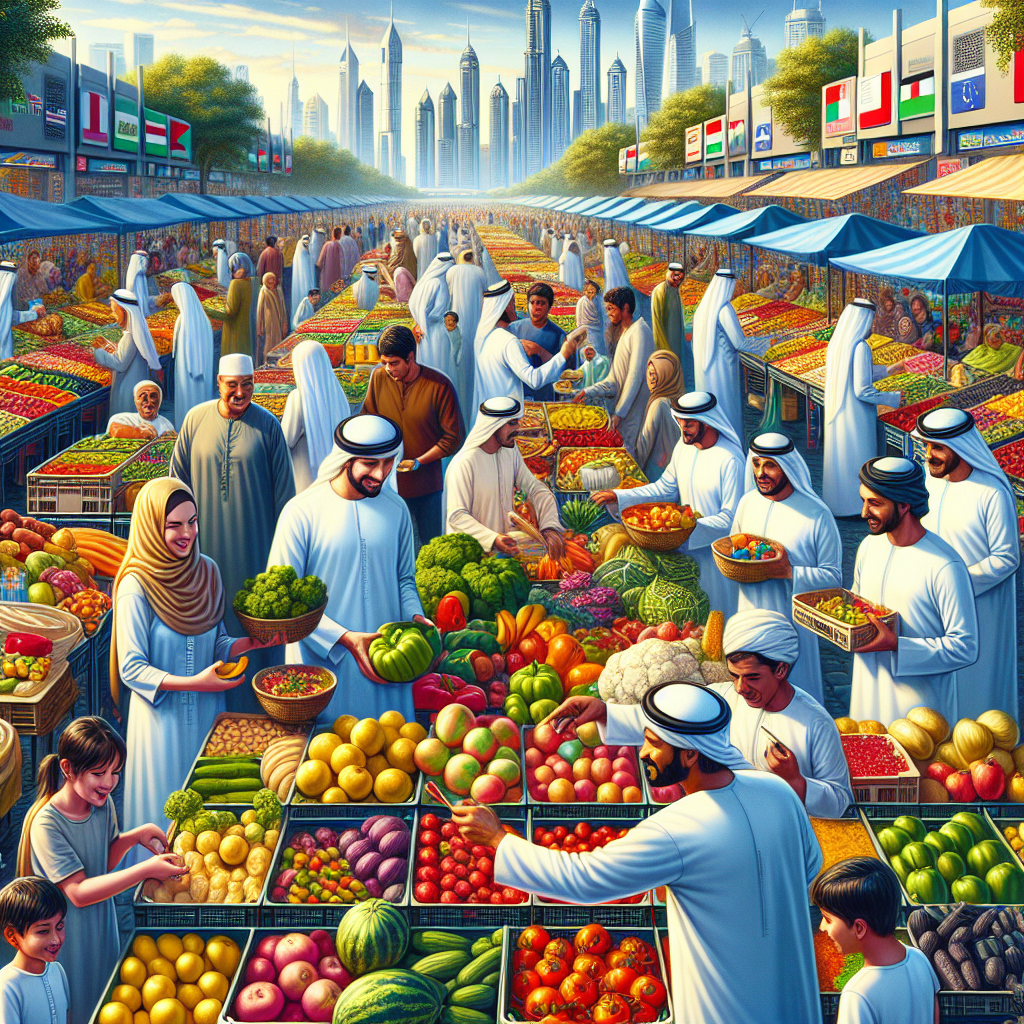
Realistic Image Of A Foodstuff Clearance Sale In Dubai With An Assortment Of Foods And Dubai Cityscape In The Background.

Understanding the intricacies of foodstuff clearance in Dubai is crucial for any business involved in the import and export of food products. The process involves several steps, each governed by stringent regulations to ensure the safety and quality of the food entering or leaving the country.

Firstly, all food imports must comply with the UAE's food safety standards, which are enforced by various governmental bodies, including the Dubai Municipality and the Emirates Authority for Standardization and Metrology (ESMA). These agencies have set specific guidelines for food labeling, packaging, and shelf life, which must be adhered to strictly.

Additionally, businesses must obtain the necessary import permits and approvals before their shipments can be cleared. This involves submitting detailed documentation, including invoices, packing lists, certificates of origin, and health certificates. Failure to provide accurate and complete documentation can result in delays or even the rejection of the shipment.

Once the documentation is in order, the shipment undergoes inspection by customs officials. This may include physical examinations and laboratory testing to verify that the food products meet the required standards. Any discrepancies found during these inspections can lead to further scrutiny, additional testing, or even confiscation of the goods.

Understanding these steps and ensuring full compliance with all regulations is essential for the smooth clearance of foodstuff shipments in Dubai. Partnering with an experienced customs broker like Interlink Freight Agency can help streamline the process, ensuring that your goods are cleared efficiently and without unnecessary delays.

Benefits of Using Professional Customs Brokers

The advantages of utilizing professional customs brokers for foodstuff clearance in Dubai are numerous and can significantly impact the efficiency and success of your import and export operations. Here are some key benefits:

By leveraging the expertise of professional customs brokers, businesses can ensure a hassle-free clearance process, allowing for seamless import and export operations in Dubai's bustling trade environment.

Regulations and Compliance for Foodstuff Imports

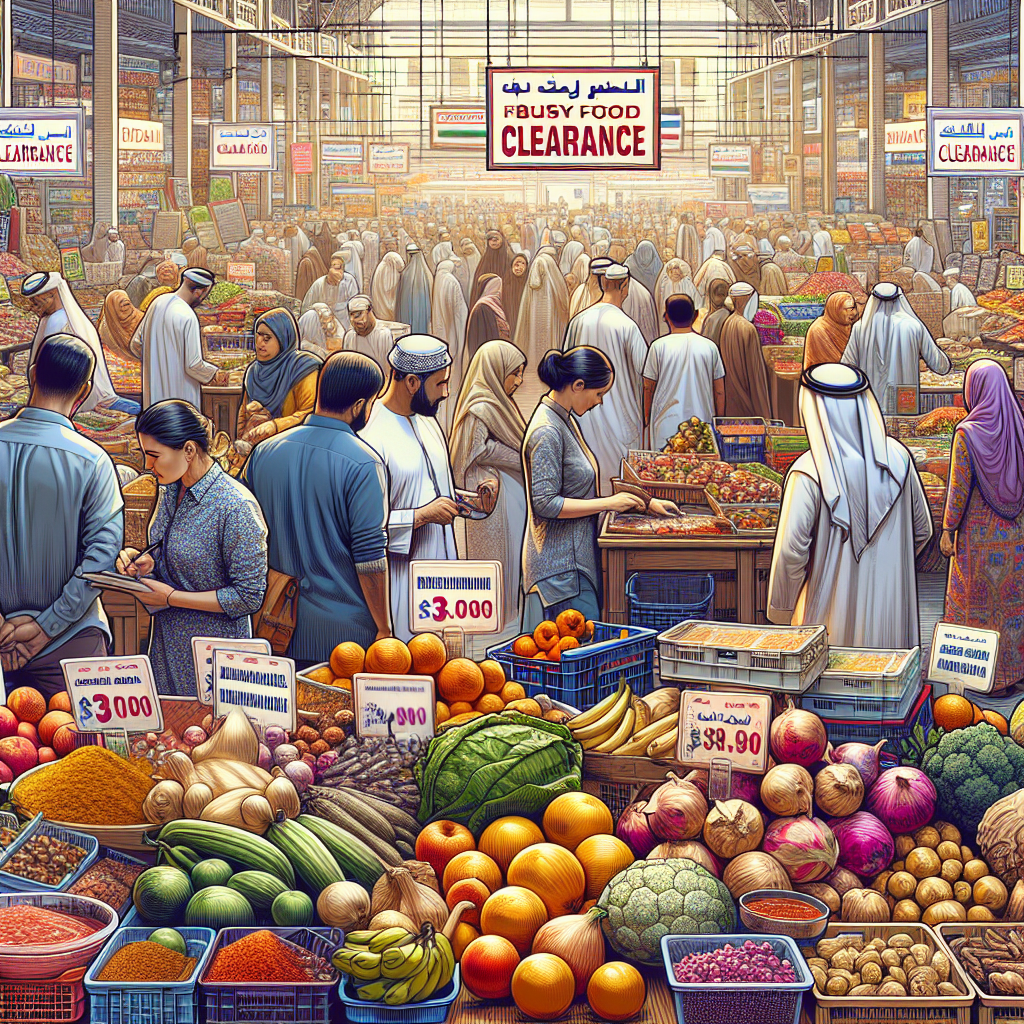
A Bustling Food Market In Dubai With Various Food Stalls, Vendors, And Customers, Depicted Realistically.

Understanding the regulations and compliance requirements for foodstuff imports in Dubai is crucial for ensuring smooth and efficient customs clearance. The UAE has stringent standards to safeguard public health and maintain the highest quality of food products entering the country.

Key regulations to be aware of include:

Compliance with these regulations is non-negotiable and essential for avoiding penalties, delays, and potential rejection of shipments. By adhering to these standards, businesses can ensure the swift and seamless importation of foodstuffs into Dubai, maintaining the integrity and quality of their products.

Steps to Ensure Smooth Foodstuff Clearance

Foodstuff Clearance Event In Dubai With Various Stalls, Vibrant Produce, And Shoppers.

Ensuring smooth foodstuff clearance in Dubai involves a series of well-coordinated steps that align with the regulatory framework and best practices. By following these steps, importers can minimize delays and avoid complications during the customs process.

Here are the essential steps to ensure smooth foodstuff clearance:

By diligently following these steps, importers can streamline the foodstuff clearance process, ensuring their products reach the market promptly and maintaining high standards of quality and safety.

Why Choose Interlink Freight Agency for Foodstuff Clearance

A Foodstuff Clearance Event In Dubai With Shoppers Browsing Various Food Items.

When it comes to foodstuff clearance in Dubai, choosing the right partner can make all the difference. Interlink Freight Agency Customs Broker stands out as the premier choice for several compelling reasons.

Firstly, we bring unmatched expertise to the table. Our team of seasoned professionals possesses extensive knowledge of Dubai's customs regulations and food safety standards. This ensures that your imports and exports comply with all legal requirements, minimizing the risk of delays or penalties.

Secondly, our end-to-end service guarantees a seamless experience. From initial documentation and product registration to final delivery, we handle every aspect of the clearance process. Our comprehensive approach means you can focus on your core business while we take care of the logistics.

Additionally, we leverage cutting-edge technology and systems to streamline operations. Our advanced tracking systems provide real-time updates on the status of your shipments, ensuring transparency and peace of mind. With us, you’ll always know where your goods are and when to expect their arrival.

Moreover, our stellar customer service sets us apart. We believe in building lasting relationships with our clients by providing personalized support and tailored solutions. Our team is always available to address your queries, offer guidance, and resolve any issues swiftly.

Lastly, Interlink Freight Agency offers competitive pricing without compromising on quality. We understand the importance of cost efficiency in the logistics industry and strive to provide the best value for your investment.

Choosing Interlink Freight Agency for your foodstuff clearance needs means choosing reliability, efficiency, and excellence. Contact us today for inquiries or assistance! ???? Call: +971557910800 ???? WhatsApp: +971557910800 ???? Email: [email protected]