
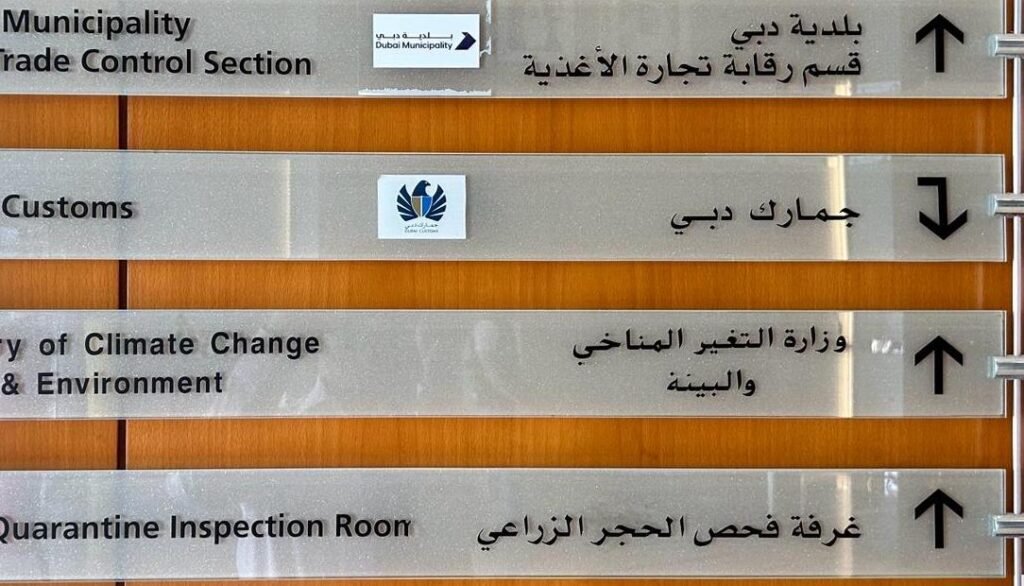
Did you know that when registering food products in Dubai, the following considerations must be noted before you plan to import:
These are some of the requirements for successful registration with DM.
Dubai Municipality plays a crucial role in regulating food products to ensure consumer safety and maintain high standards in the market. The Food Safety Department of the Municipality is responsible for monitoring food safety, which includes evaluating and approving all food products before they reach consumers. This evaluation process involves thorough testing and verification of ingredients to meet UAE's quality standards, protecting against potential health risks.
The Food Import Re-export Service (FIRS) is an essential part of Dubai Municipality's strategy to promote safe trade practices within the UAE. FIRS makes it easier for businesses involved in food imports and re-exports by providing an online platform for product registration.
By actively regulating through Dubai Municipality and implementing services like FIRS, Dubai is dedicated to maintaining high standards in its food market while promoting a transparent and efficient trading environment.
Registering food products with the Dubai Municipality is a legal requirement that ensures compliance with the Food Import Re-export Service (FIRS) regulations. This legal framework is essential for maintaining systematic control over food safety and quality in the UAE. Companies must complete this registration to legally import, manufacture, or sell their food products within the region. By adhering to these requirements, businesses demonstrate their commitment to upholding the high standards set by the local authorities.
Food product registration provides businesses with several significant advantages:
Such benefits contribute not only to potential increases in sales but also to long-term brand loyalty and market presence.
The importance of food registration extends beyond business benefits; it plays a crucial role in safeguarding consumer health. Registered food products undergo rigorous checks to verify that they meet quality standards throughout the supply chain. This includes:
These measures ensure that consumers receive safe, reliable, and high-quality products, reinforcing public trust in the market's offerings. The emphasis on consumer safety in UAE reflects a broader commitment to protecting public health while supporting economic growth through secure trade practices.
Registering food products in Dubai is a crucial step for compliance with the Dubai Municipality FIRS. This process ensures that all food items meet the high safety standards set by the UAE. Here’s a detailed look at the requirements and steps involved:
Submit Necessary Documentation
Gather and submit all required documents, including:
Provide Product Label Information
Pay Applicable Fees
The FIRS system may reject food product registrations for the following common reasons:
Thoroughly Review Application: Double-check every detail against Dubai Municipality’s guidelines to ensure nothing is overlooked.
Seek Expert Advice: Consider consulting professionals familiar with UAE regulations to review your application process.
Stay Updated: Regulations can change; staying informed about current requirements for importing food into UAE can prevent unnecessary delays or rejections during registration.
By adhering to these guidelines, businesses can successfully navigate the registration process, ensuring their products are compliant and ready for distribution within Dubai's market.
Navigating the world of importing and exporting food in the UAE requires a thorough understanding of local regulations. Businesses must operate as a Limited Liability Company (LLC) registered with both the Dubai Economic Department (DED) and Dubai Municipality. This registration is a crucial step, ensuring that your company is legally recognized and compliant with local trade laws.
To successfully manage food imports and exports, firms need to clearly define their trading activity classification. This involves selecting either food trading or general trading as per their business operations. The choice dictates the specific regulations that apply to your business, impacting everything from import/export procedures to compliance with safety standards.
Here’s what you need to know:
Understanding these elements facilitates a smoother importing/exporting process, mitigates legal risks, and enhances your business's credibility in the UAE market. This foundation not only supports regulatory adherence but also enables businesses to thrive within Dubai's dynamic market environment.
The UAE is dedicated to protecting consumers, which is evident in its strict food safety regulations. The Food Safety Department of Dubai Municipality plays a crucial role in enforcing these regulations, making sure that only safe food products are allowed into the market. Their enforcement efforts involve closely monitoring food products and actively working to identify and eliminate any potential risks associated with banned substances and unsafe ingredients.
In order to meet the quality standards set by authorities, businesses in the UAE are required to follow a strict process of testing and authentication of ingredients. This process ensures that all food items are in compliance with safety norms and are aligned with both local and international standards.
The key components of this testing and authentication process include:
By following these processes, businesses not only fulfill legal obligations but also earn the trust of their consumers, who can be confident in the safety and quality of their food products. This commitment to maintaining high standards is vital for public health and for instilling consumer confidence in the market.
Understanding the labelling requirements for food products in Dubai is crucial for any business operating in the region. The Dubai Municipality FIRS mandates that all food packaging comply with specific labelling regulations to ensure clarity and transparency for consumers.
Food products that are new to the FIRS system must first be registered in detail. This includes providing a description of the packaging type, along with a clear image of the product label and the food item itself (maximum file size: 10 MB).
The following labeling information is mandatory for all food packaging:
These requirements ensure clarity and compliance with regulations.
Additional optional elements include nutritional information, Halal markings, and GMO product labeling. These labels are not only a legal obligation but are instrumental in building trust with consumers. A well-labelled product reflects transparency and adherence to safety standards, enhancing its marketability.
Ensuring compliance with these labelling regulations in Dubai is not just about meeting legal requirements; it positions your brand as reliable and customer-focused. Clear and accurate labels boost consumer confidence, making it easier for them to make informed purchasing decisions. Businesses should prioritize these aspects to maintain credibility in a competitive market.
The Emirates Authority for Standardization and Metrology (ESMA) works closely with Dubai Municipality to ensure that food products imported or exported meet high standards of quality and safety. This collaboration aims to standardize food products, providing a consistent and reliable consumer market.
ESMA plays a crucial role in establishing guidelines that help maintain consistency across food products. By working alongside Dubai Municipality, ESMA ensures that all imported and exported foods adhere to these standards. This partnership is pivotal in creating a uniform set of regulations that govern food safety measures, helping businesses comply with local laws efficiently.
The impact of ESMA's standardization extends beyond regulatory compliance. By ensuring that all food products meet strict criteria, ESMA enhances consumer confidence in the marketplace. Shoppers can trust that the products they purchase are safe, of high quality, and accurately labeled.
Through rigorous testing and inspection processes, both entities uphold the integrity of the food supply chain. Businesses benefit by being able to access a wider market, while consumers enjoy peace of mind knowing their health is protected.
This collaborative approach between Dubai Municipality and ESMA underscores the commitment to maintaining high standards within the food industry, thereby fostering a safer and more reliable market environment for everyone involved.
Navigating the Food Import Re-export Service (FIRS) registration process can be daunting for many businesses. Several challenges commonly arise, but understanding these hurdles and how to overcome them paves the way for a smoother registration experience.
One of the primary challenges is the common reasons for registration rejection. Many businesses face rejections due to incomplete or incorrect documentation. It's essential to ensure that all submitted documents are accurate and comprehensive. For instance, discrepancies in product details or missing information about packaging type can lead to delays. Conducting a thorough review of all entries before submission can significantly reduce these risks.
Technical difficulties with the online portal represent another obstacle. Ensuring a stable internet connection and using compatible devices can mitigate these issues. Partnering with experienced consultants who are well-versed in navigating the FIRS system can also provide valuable assistance.
Understanding the timeframe for foodstuff registration in Dubai is crucial for effective planning. The process typically involves several stages, including document verification, product testing, and final approval. On average, it may take several weeks to complete all phases, depending on the complexity and nature of the products being registered. Businesses should factor this timeline into their operational plans to avoid disruptions. In our experience, 1 to 30 days are normal to get the DM final approval.
Practical solutions to overcome these challenges include:
Successfully managing these challenges ensures compliance with local regulations and facilitates a seamless entry into Dubai's vibrant market.
Interlink Freight Agency Customs Broker
Dubai International Airport, Cargo Mega Terminal,
Cargo Village Dubai, United Arab Emirates
Email: [email protected]
Call: +971557910800